
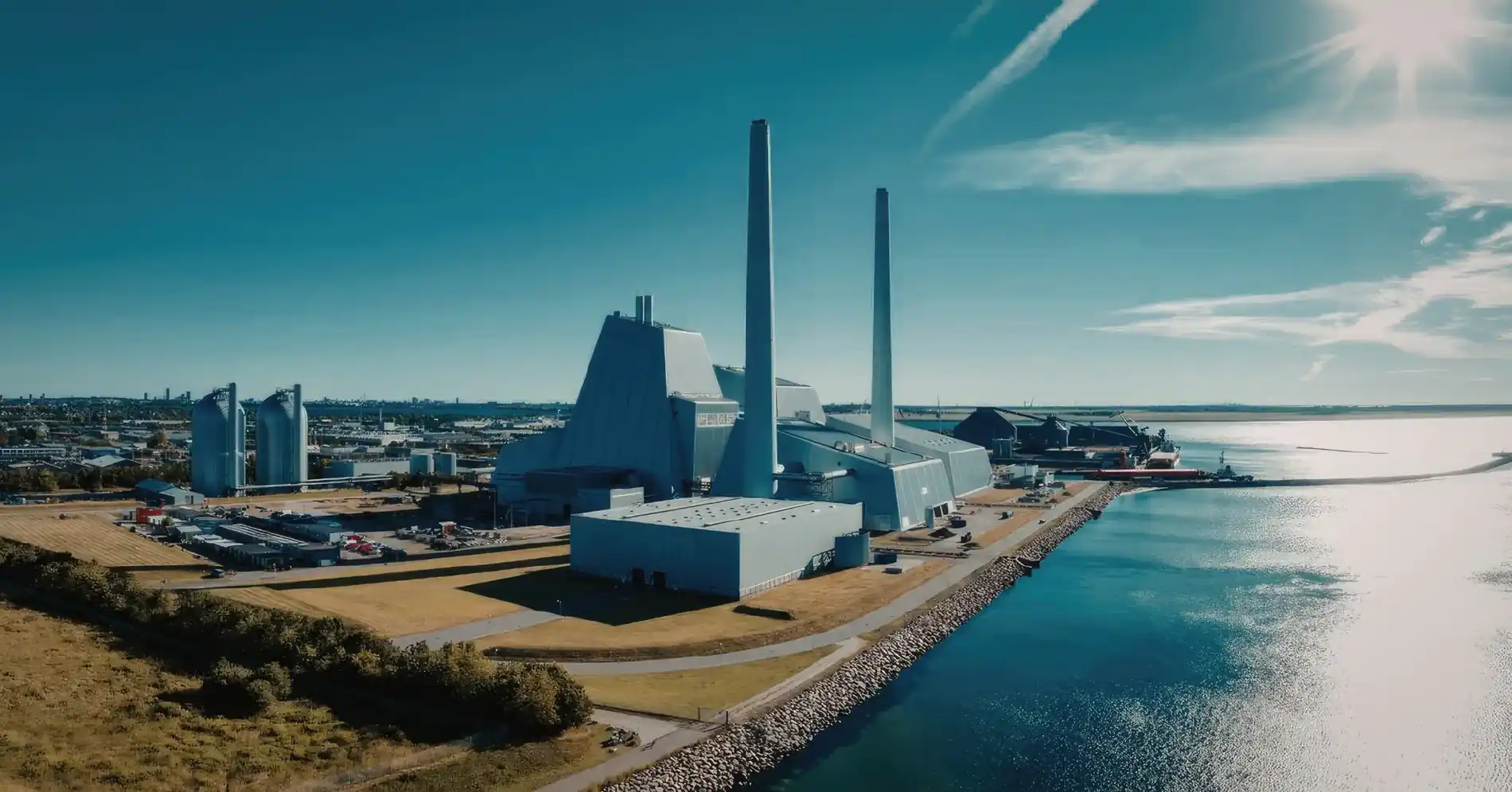
Effective industrial perimeter protection is not defined by the fence, but by the detection and verification architecture surrounding it.
In high-value industrial environments, energy sites, water facilities, logistics hubs, and manufacturing plants, perimeter systems need to operate as a structured, layered detection corridor rather than a collection of isolated devices.
Key Takeaways: A 2025 peer-reviewed study found layered systems with coordinated sensors and response units minimize an intruder's escape probability more than any single highly sensitive sensor (Mathematics, 2025). SensoGuard's three-layer architecture, buried seismic detection, AI camera verification, and integrated response, cuts false alarms by over 90% versus camera-only systems.
Why Layering Matters More Than Any Single Sensor
It's tempting to solve perimeter security by chasing a more sensitive sensor. That's not where the real gains are. A 2025 mathematical modeling study of layered security systems, published in the peer-reviewed journal Mathematics, found that the configuration minimizing an intruder's overall probability of escaping undetected is the one with the most coordinated layers, each with at least one sensor and one response unit, not the single most sensitive layer (Mathematics, 2025).
That's the systems-engineering logic behind everything below. Three layers, each doing one job well and handing off cleanly to the next, outperform one layer trying to do everything.
Layer 1: Controlled Detection Corridor
Early detection should occur before physical barrier contact. Subsurface seismic detection systems installed along the perimeter create a defined sensing zone, capable of identifying walking, crawling, digging, or vehicle movement patterns. A system such as InvisiFence Plus creates a detection zone approximately 6 meters wide and up to 25 meters deep along the perimeter, wide enough to catch an intruder approaching or walking the fence line, not just the moment of crossing it. Installation depth is flexible, typically 30cm to 3m, without a performance penalty.
Proper zone configuration, sensitivity calibration, and signal filtering are critical to differentiate between environmental noise and genuine intrusion events.
Layer 2: AI-Based Visual Verification
Detection events must trigger camera systems equipped with deep learning analytics. AI filtering reduces nuisance alarms caused by wildlife, or authorized traffic. Combined, the seismic and AI-verification layers reduce false alarms by over 90% compared to camera-only systems, since the camera only activates to confirm an event the seismic layer has already flagged as matching an intrusion pattern.
Verification logic should include region-of-interest configuration and operational scheduling to match site risk profiles.
Layer 3: Integrated Tracking & Response Workflow
A mature perimeter system integrates with VMS or PSIM platforms to initiate structured response protocols, correlating alarms and camera tracking within the interface a site's security team already uses, rather than requiring a separate system to monitor. Alarm correlation, event logging, and real-time camera tracking reduce operator overload and improve decision-making speed.
This is also where the response side of that layering research matters in practice: detection without enough response capacity behind it just produces confirmed alarms nobody gets to in time. When engineered as a unified architecture, a multi-layer perimeter system delivers:
- Early threat recognition
- High detection accuracy with minimal false alarms
- Reduced guard fatigue
- Lower long-term operational cost
- Scalable integration with future technologies
None of this works if the three layers are bolted together after the fact. The quality of the architecture, not any single component in it, determines how reliable the protection actually is.
Frequently Asked Questions
How wide is a typical seismic detection corridor?
It depends on the configuration, but a system like InvisiFence Plus creates a detection zone approximately 6 meters wide and up to 25 meters deep along the perimeter, wide enough to catch someone approaching, walking the fence line, or attempting to dig under it, not just crossing the boundary itself.
How much does AI verification reduce false alarms in a layered system?
The combination of seismic detection and AI-based camera verification reduces false alarms by over 90% compared to camera-only systems, since the camera layer only activates to confirm events the seismic layer has already flagged as matching an intrusion pattern.
Does a layered perimeter system require replacing existing VMS or PSIM software?
No. Detection and verification layers are designed to integrate with the VMS or PSIM platform a site already runs, correlating alarms and camera tracking within that existing interface rather than requiring operators to learn or monitor a separate system.
Why does adding more security layers reduce risk more than improving one layer?
A single sensor, however sensitive, still has some probability of missing or misclassifying an intrusion attempt. A 2025 mathematical modeling study of layered security systems found the configuration that minimizes an intruder's overall escape probability is the one with the most coordinated layers, not the most sensitive single layer (Mathematics, 2025).
What's the difference between detection layers and response layers?
A detection layer, like buried seismic sensors or AI-verified cameras, identifies and confirms that an intrusion is happening. A response layer, like a mobile patrol unit or an operator-dispatched team, acts on that confirmed alert. Both need to be sized and coordinated together; more sensors without enough response capacity just produces confirmed alarms nobody can act on in time.