
Autonomous security for unmanned and isolated locations.
Remote sites, mining operations, research stations, archaeological sites, and other unmanned facilities, present unique security challenges. Limited personnel, vast distances from support, and harsh environmental conditions make traditional, wired security systems impractical.
Deploying and maintaining security staff at a remote site is expensive and often impractical.
Many remote sites have little to no existing power or communication infrastructure to build on.
Extreme heat, cold, and exposure can damage equipment not built for the environment.
Sites need continuous detection with minimal maintenance and no reliance on a constant human presence.
SensoGuard's wireless unattended ground sensors are buried at the site and run on batteries for years, reporting by radio to a HUB, delivering continuous detection without personnel or infrastructure on site.
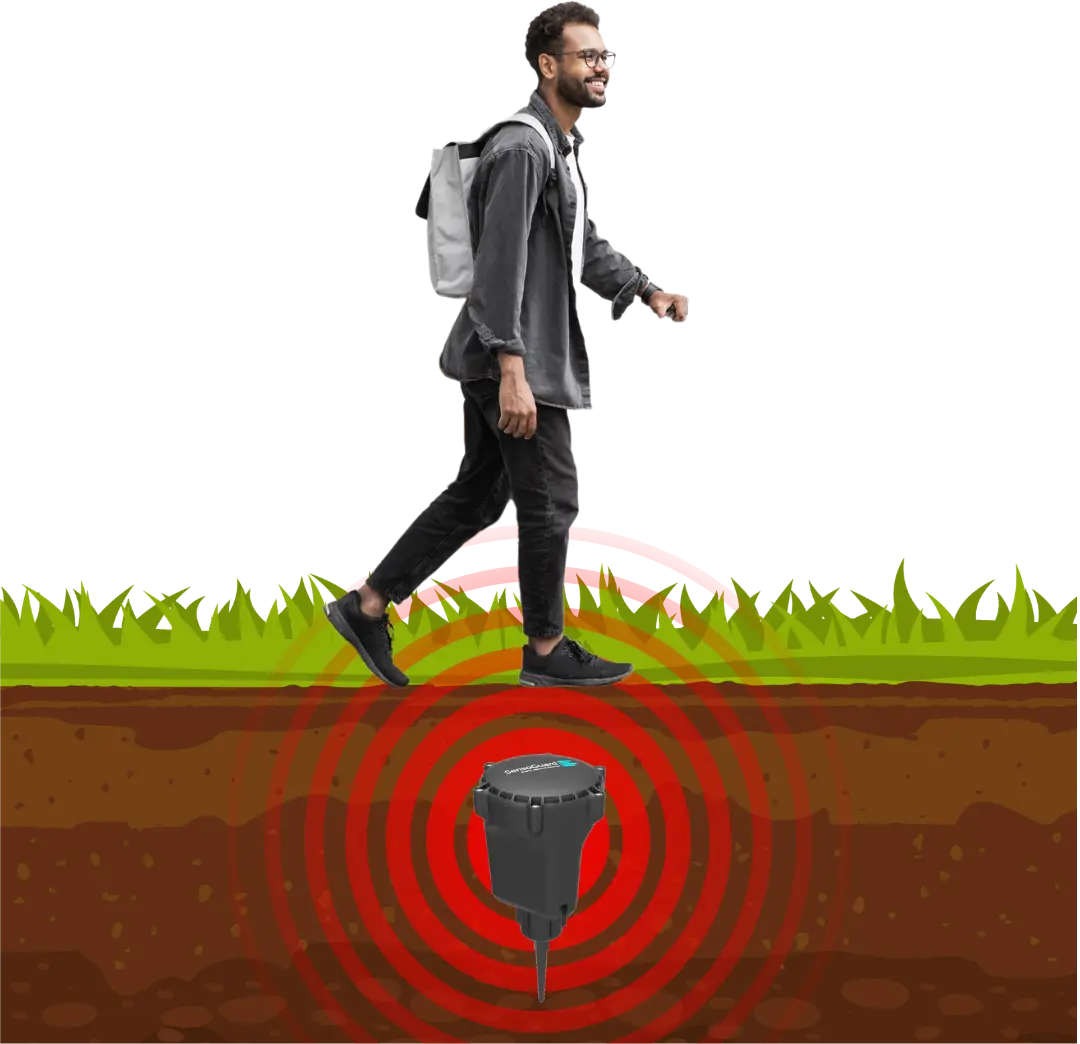
Battery-powered sensors placed around the site detect footsteps and vehicles, with no wiring or fixed power required.
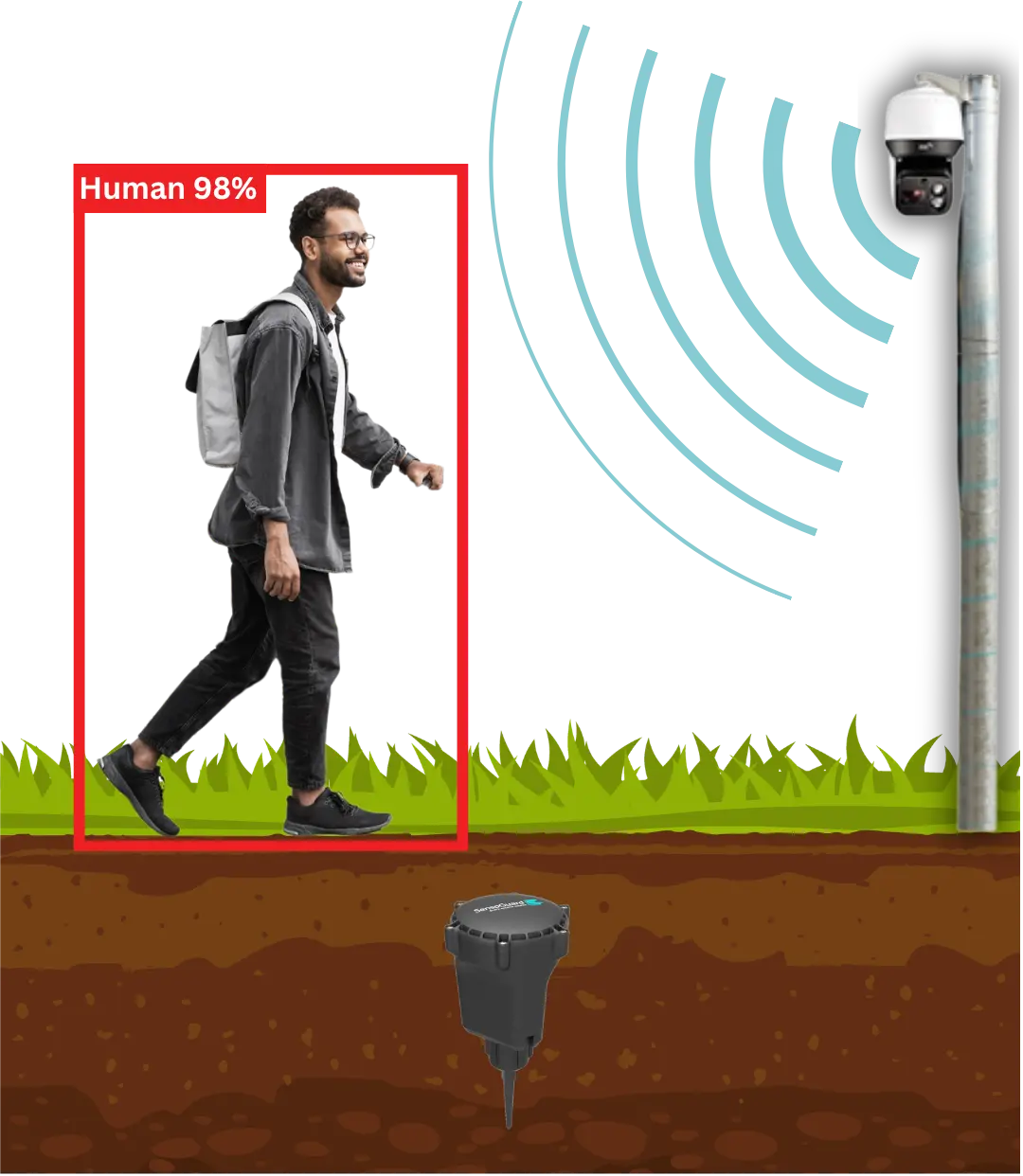
Each sensor sends its detections by radio straight to the HUB, which passes them on to your control room or over cellular.
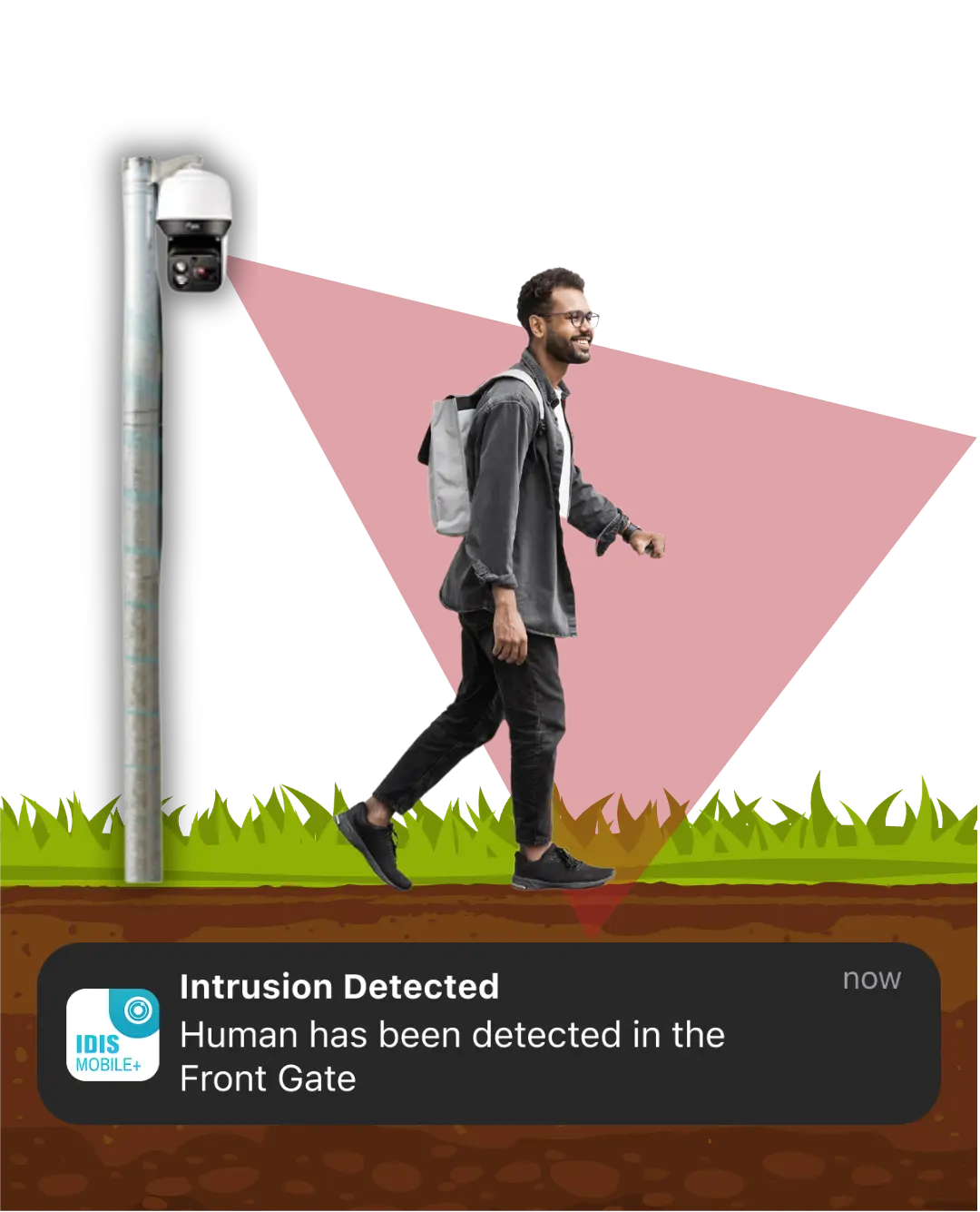
Verified detections are sent automatically to a remote security center or directly to a mobile device.
No trenching, no fixed power, and no communications backbone required: sensors run entirely on battery and send detections by radio.
Sensors report to the HUB over LoRa: up to 250 m with the standard internal antenna, up to 1 km with the external-antenna version.
Detects footsteps up to 18m/60ft and vehicle or digging activity up to 35m/115ft with 360° coverage, with no operator on site needed to run it.
One small hole per sensor, with no trenching or civil works, so a site can go from unprotected to monitored in a single visit.
Up to 6 years on standard D cells, replaced when due, and the IP68/MIL-STD-810G housing operates from -40°C to 85°C.
One deployment visit and years of unattended operation replace the ongoing cost of dispatching personnel to a site with no permanent presence.
See this deployed at scale: SensoGuard protected a multi-square-kilometer archaeological heritage site using six zones of up to 30 buried sensors each, paired with solar-powered, 4G-connected PTZ cameras.
For a full breakdown of detection technologies, see our perimeter security comparison guide, or check which VMS and monitoring platforms the system connects to.
One rugged case of buried sensors that alert a team on site. For an unattended permanent site, see permanent wireless sensors.
Learn moreGet a custom quote and see how MOSS delivers autonomous detection for isolated locations.