
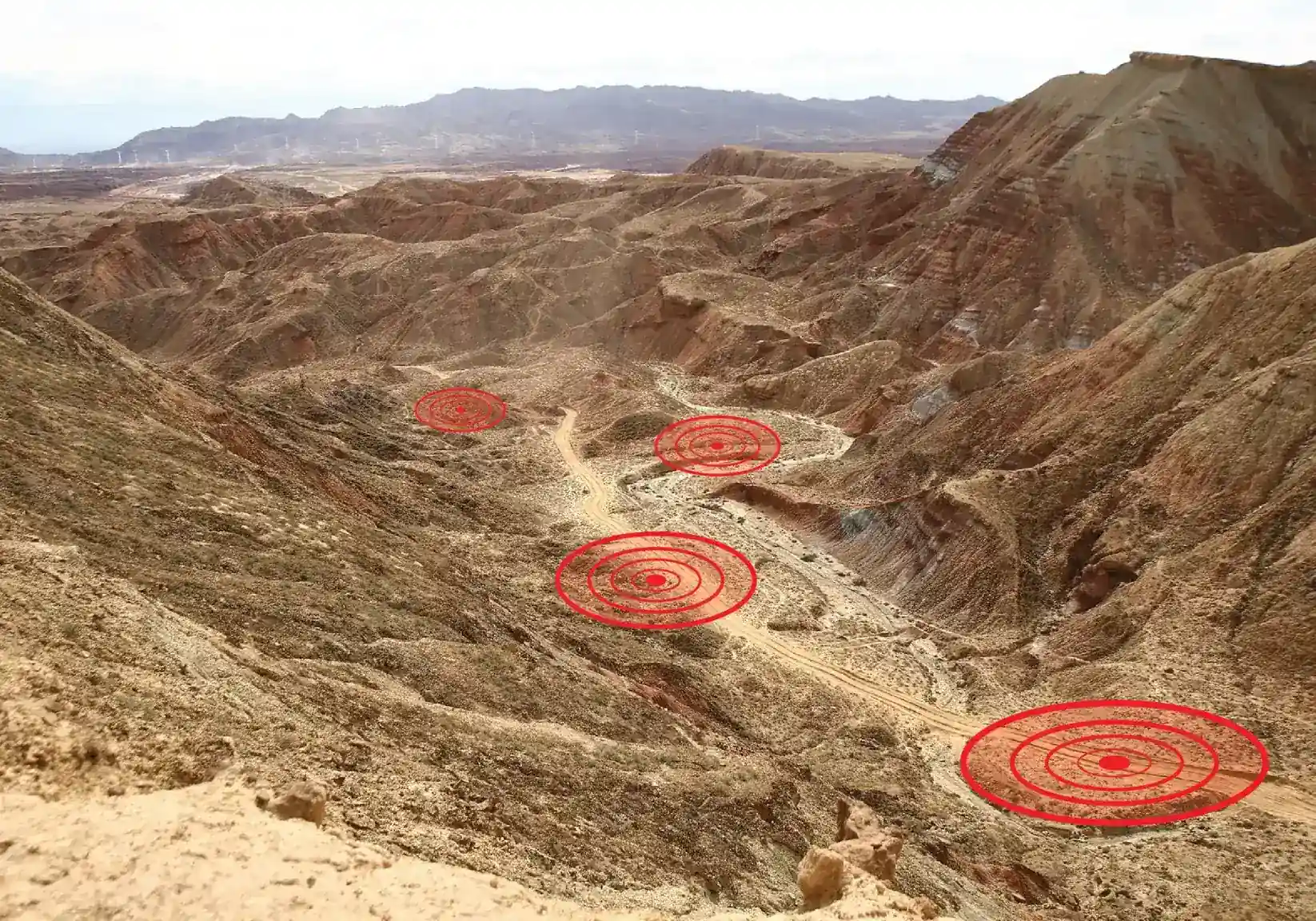
Security teams respond faster when they have more warning. SensoGuard's wireless seismic sensors give teams that warning on access routes leading to sensitive areas. Placed along a path, they detect footsteps, vehicles, or digging well before an intruder reaches the target.
Key Takeaways
- Deploys in under 5 minutes, no trenching or cabling, two-person team.
- Detects footsteps up to 18m and vehicles or digging up to 35m, 360°.
- Wireless range up to 250m indoors or 1km outdoors over LoRA.
- Camera verification cuts false alarms by over 90% vs. camera-only systems.
Why Does Detection Speed Matter for Security Response?
Early detection buys security teams the time they need to respond before a threat reaches its target, particularly along access routes leading to sensitive areas. How that time gets used depends on how the alert is classified. The Monitoring Association's ANSI/TMA-AVS-01-2024 standard replaced the old binary alarm-or-no-alarm signal with a 5-tier classification. That lets responders prioritize calls with a confirmed threat over ones with limited information. A system that detects and classifies faster gets a response dispatched faster.
How Do Seismic Sensors Detect and Classify Threats?
Seismic sensors identify and categorize vibrations from footsteps, vehicles, or digging. This is useful for perimeter security. It tells a security team what kind of threat triggered the alert, not just that something did, so they can choose the right response.
How Fast Can a Seismic Alert System Deploy?
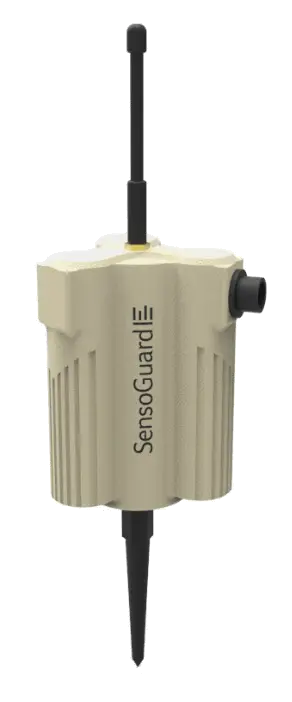
MOSS sensors go from case to covert coverage in under 5 minutes, with no trenching or cabling required. A two-person team can be operational on arrival. The kit ships in a single weatherproof case with five sensors, a HUB gateway, and a rugged handset. A route can be covered before there's time to plan a fixed installation. Each AIO 2 seismic sensor detects footsteps up to 18m and vehicles or digging up to 35m in a full 360° zone. It reports back to the HUB over LoRA wireless at ranges up to 1km, and an operator sees an alert within seconds of a sensor triggering.
What Happens After a Sensor Triggers?
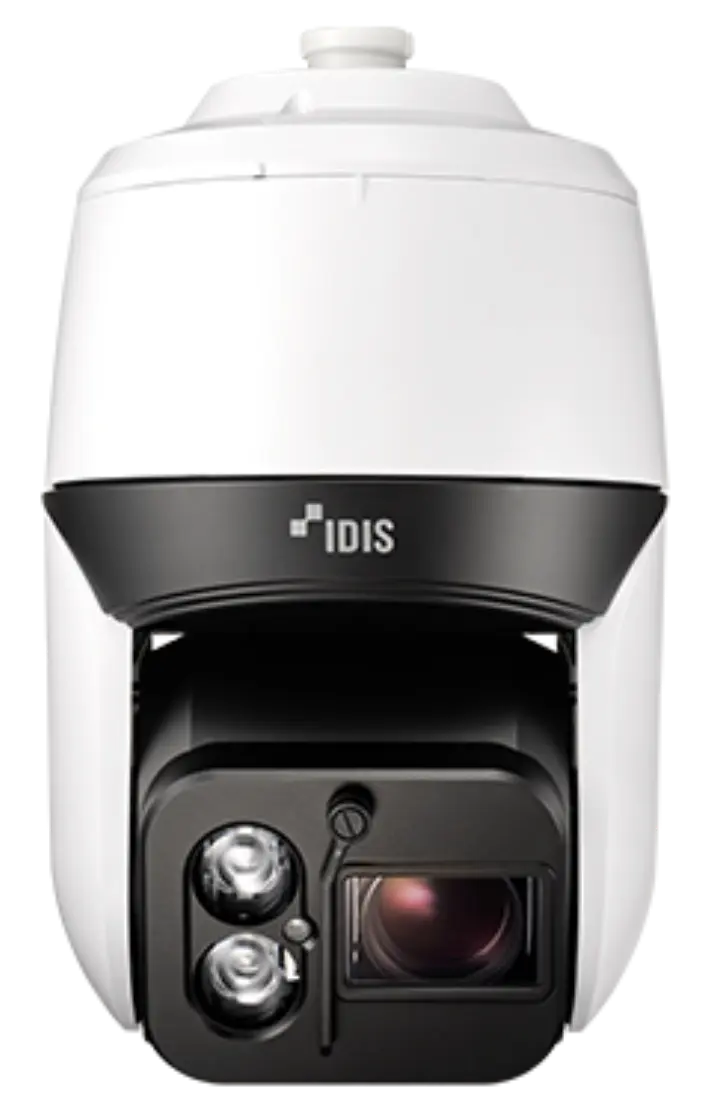
Detection is only useful if it leads to the right response. When a sensor triggers, the system can notify the security team and send precise location data to the command & control platform. It can also trigger an audible alarm and activate the camera covering that section of the route. Camera verification of a seismic trigger reduces false alarms by over 90% compared to camera-only systems. The alert only escalates once the activity is confirmed on video. That's the same principle behind the AVS-01 classification framework: verified alerts get prioritized, unverified ones don't tie up a response.
For teams specifically weighing systems for military or tactical field operations, see SensoGuard's guide to early warning systems for tactical operations.
SensoGuard's seismic sensors integrate into existing security frameworks without an infrastructure overhaul. They add a layer of invisible detection to a route that would otherwise depend on cameras or patrols alone.
Frequently Asked Questions
How quickly can a wireless seismic early-alert system be deployed?
MOSS sensors deploy in under 5 minutes with no trenching or cabling required. A two-person team can be operational on arrival, which matters most when early warning is needed on a route or perimeter that didn't exist as a planned installation.
What's the detection range of a single MOSS sensor?
The AIO 2 seismic sensor detects footsteps up to 18m (60ft) and vehicles or digging up to 35m (115ft), in a 360-degree zone around the unit, so a single sensor covers a meaningful stretch of an access route rather than just the point where it's placed.
How far can sensors be from the base station?
Every sensor uses LoRA low-power wireless, transmitting up to 250m indoors or up to 1km with the antenna held above ground, reporting to a HUB gateway that relays each detection to the handset in real time.
How long does the battery last in continuous field use?
Battery life varies by sensor type: the AIO 2 seismic sensor lasts up to 1 year, reflecting its low continuous power draw. All sensors use rechargeable batteries and return to the kit's charging station between deployments.