

Golf course security teams need to protect the grounds from theft, vandalism, and intruders. Protecting a golf course is a uniquely difficult problem. The grounds cover a large area, making it hard to monitor everywhere at once. Power often doesn't reach every point of the perimeter, which limits the security measures that can be deployed. Most clubs protect the main building and entry points, but intruders can approach from almost any direction across the open grounds.
The risk is real. In May 2025, an ATV tore through Stansbury Park Golf Course in Utah overnight. It caused more than $5,000 in damage to a green and the surrounding turf (KSL, 2025). Incidents like this typically happen in open areas far from any camera or guard post.
Key Takeaways
- Detects footsteps up to 12m and vehicles or digging up to 25m, in a 360° radius.
- Wireless sensors run up to 6 years per battery, no power lines needed at the perimeter.
- Camera-paired verification cuts false alarms by over 90% vs. camera-only systems.
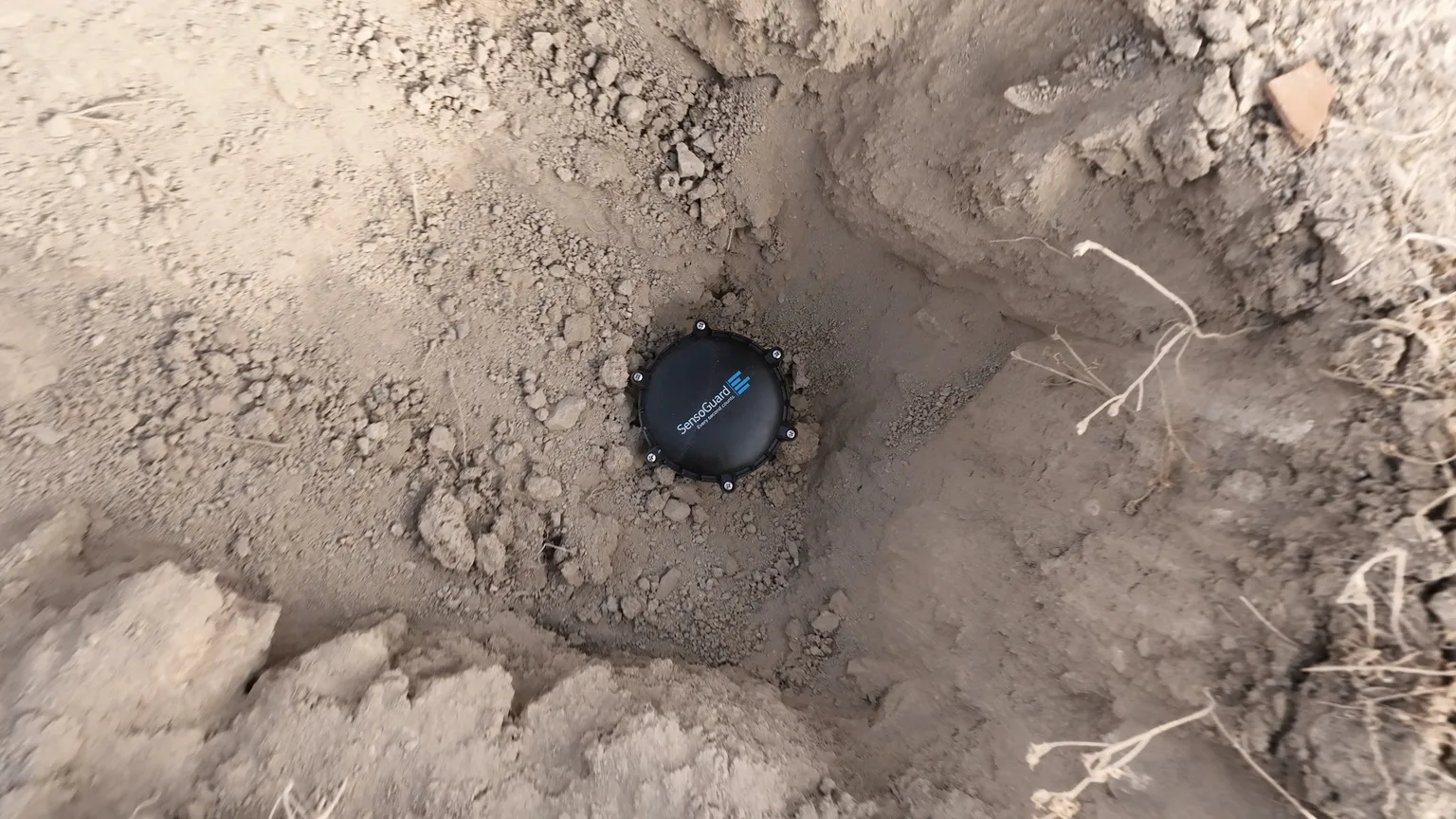
- Buried underground: no visible hardware, no change to the course's appearance.
What Security Devices Do Most Golf Courses Use?
Most golf course security teams rely on some combination of the following:
- A guard at the main entry point
- Security cameras covering the entrance, parking, and main building
- Fencing around the perimeter
- Patrols of the grounds, mainly after hours
These measures cover the obvious access points well, but they leave the rest of the perimeter, often hundreds of acres of open fairway and rough, effectively unmonitored.
How Does SensoGuard Protect Golf Courses?
SensoGuard's buried perimeter systems are built for exactly this kind of large, open-ground challenge. A buried system doesn't change the grounds' appearance or condition. It's virtually maintenance-free once installed.
How It Works
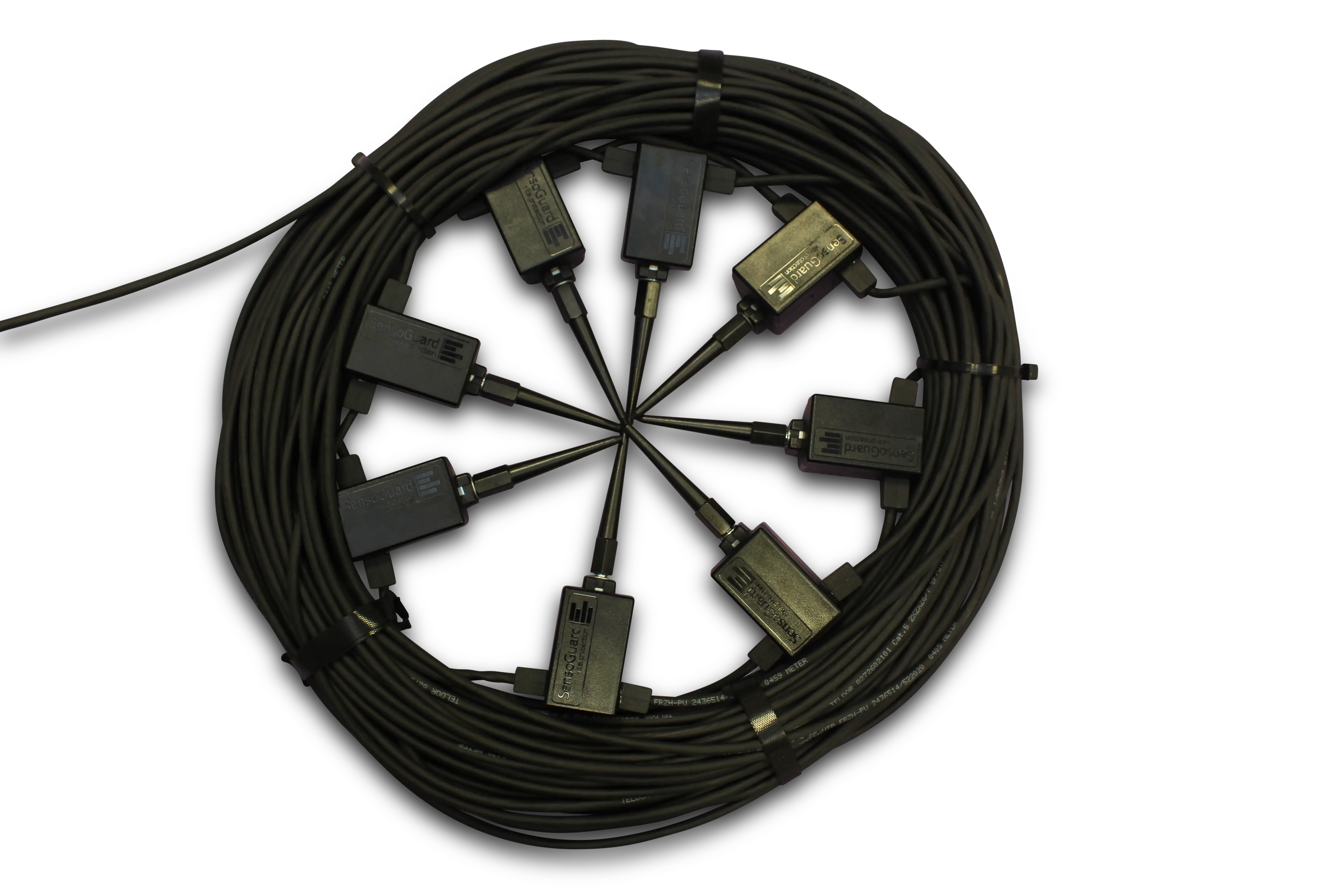
Buried seismic sensors create a virtual fence around the perimeter of the course, detecting intruders whether they approach on foot or by vehicle. A wireless sensor detects footsteps up to 12m and vehicle or digging activity up to 25m, in a full 360° radius. A series of sensors placed along the boundary covers the perimeter without needing a fence to mount them on. The system can integrate into an existing security setup, or SensoGuard can supply a command & control platform that fits the site.
What Can the System Do?
- Notify the security team when intruders are on the grounds
- Send precise location data to the command & control system
- Trigger audible alarms
- Send text message notifications to designated phone numbers
- Activate the camera covering the relevant area
The security team decides how the system should respond to a detection based on their goals. If the priority is deterrence, setting off an alarm is usually the right call. If the priority is catching intruders in the act, activating cameras and notifying the team is the better choice. That path also collects footage for evidence.
Is It Difficult to Install?
No, installation is simple. Course operators can choose to cover the full perimeter or focus on specific blind spots that are hardest for staff to monitor. Because the sensors are buried underground, they operate reliably through almost any weather or environmental conditions. They're IP68-rated, built to MIL-STD-810G, and run on a single battery for up to 6 years without needing service.
Relevant Products for Golf Course Security
SensoGuard's Seismic Shield Pro is the buried perimeter system behind everything described above, and it works the same way for other large, open-ground sites. Courses weighing the tradeoffs against a fenced perimeter can compare notes with SensoGuard's critical infrastructure and residential estate use cases. Both cover similar acreage and line-of-sight challenges. Browse the full product catalog, or visit the contact page with questions about a specific course layout.
Frequently Asked Questions
What's the detection range of a buried sensor covering a golf course perimeter?
A wireless sensor detects footsteps up to 12m and vehicle or digging activity up to 25m, in a full 360-degree radius, so a course perimeter is covered by a series of overlapping detection zones rather than needing a sensor at every meter.
How many false alarms should a course expect from wildlife or weather?
Paired with camera verification, two-layer detection reduces false alarms by over 90% compared to camera-only systems, since a seismic signature has to be confirmed visually before it's treated as an actionable alert.
Does the system need mains power at every point around the course?
No. Wireless sensors run on long-life batteries, up to 6 years for a standard unit, so coverage isn't limited to where power lines already reach, which is usually the biggest constraint on a course's open perimeter.