
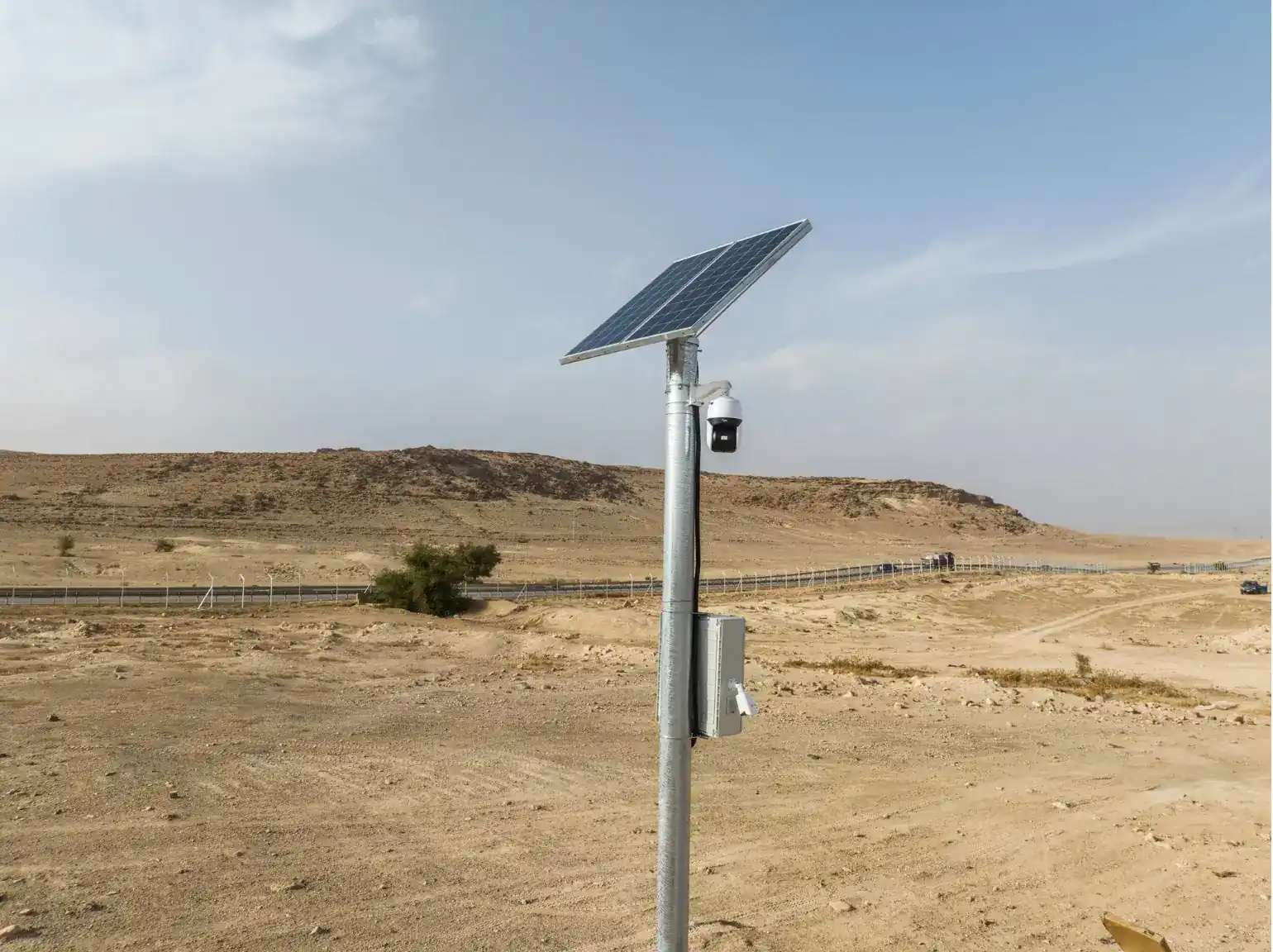
Archaeological sites are irreplaceable windows into our past, containing treasures that tell the story of human civilization. However, these precious locations face constant threats from looters and vandals who seek to profit from stealing or destroying our cultural heritage. Traditional security measures often fall short, especially in remote locations where conventional surveillance is impractical or could damage the site itself.
To meet that challenge, SensoGuard partnered with IDIS to secure a several-square-kilometer archaeological site, combining buried seismic detection with AI-powered video verification. The deployment is documented in a joint case study published by IDIS (IDIS, "Protecting Cultural Heritage Sites With Integrated Security Solutions").
The challenge of protecting our past
Protecting archaeological sites presents unique challenges that set them apart from typical security scenarios. In this case, the site spans several square kilometers. Unlike securing a building with defined entry points, archaeological sites are vulnerable from all angles.
Looters, equipped with modern tools and technology, have become sophisticated in their attempts to steal from these sites. They often operate at night, using careful methods to avoid detection, and target specific areas known to contain valuable artifacts. The damage they cause isn't just the stolen items, their digging can destroy the crucial archaeological context that helps us understand how our ancestors lived.
A modern solution for an ancient site
To address these challenges, SensoGuard and IDIS implemented a security solution combining multiple technologies to create an invisible shield around the site. The site was divided into six zones, each containing up to 30 AIO XR wireless seismic sensors and one IDIS AI PTZ camera, working together in perfect harmony.
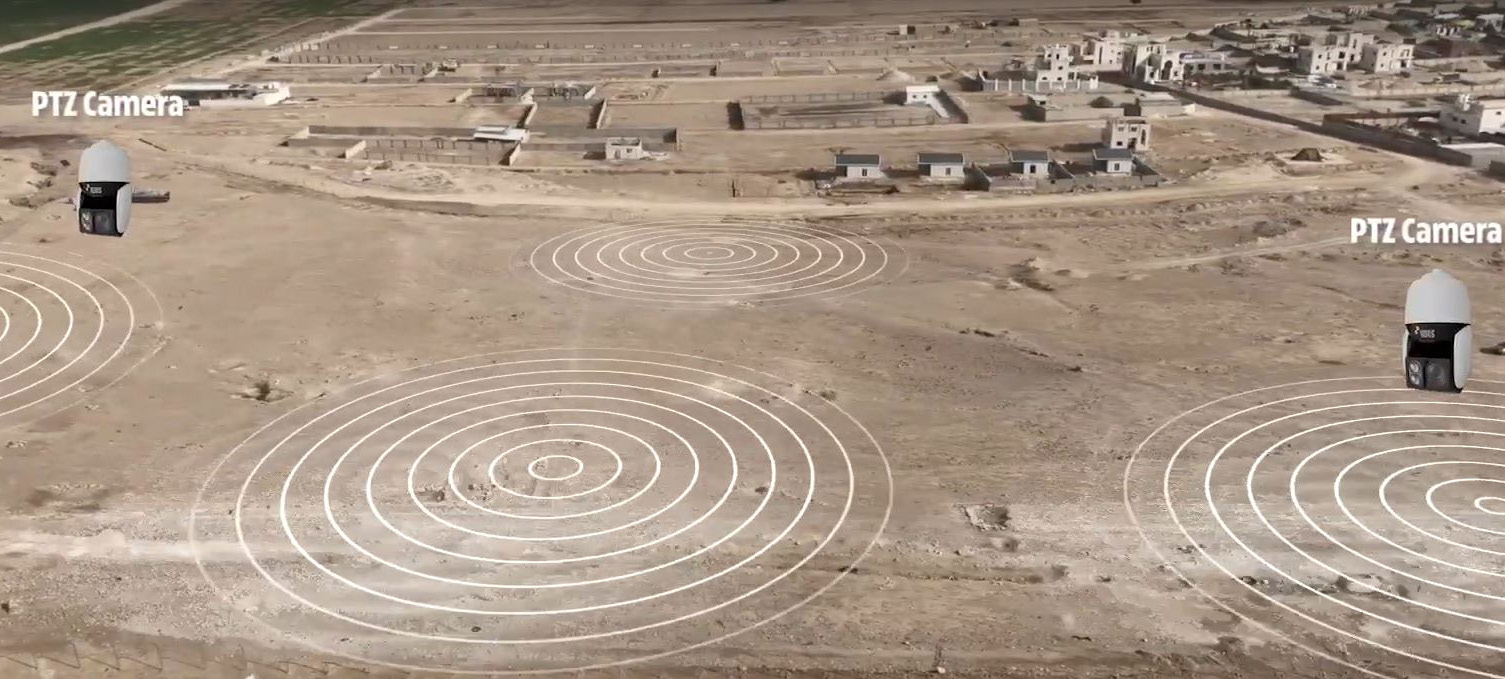
Underground early warning system
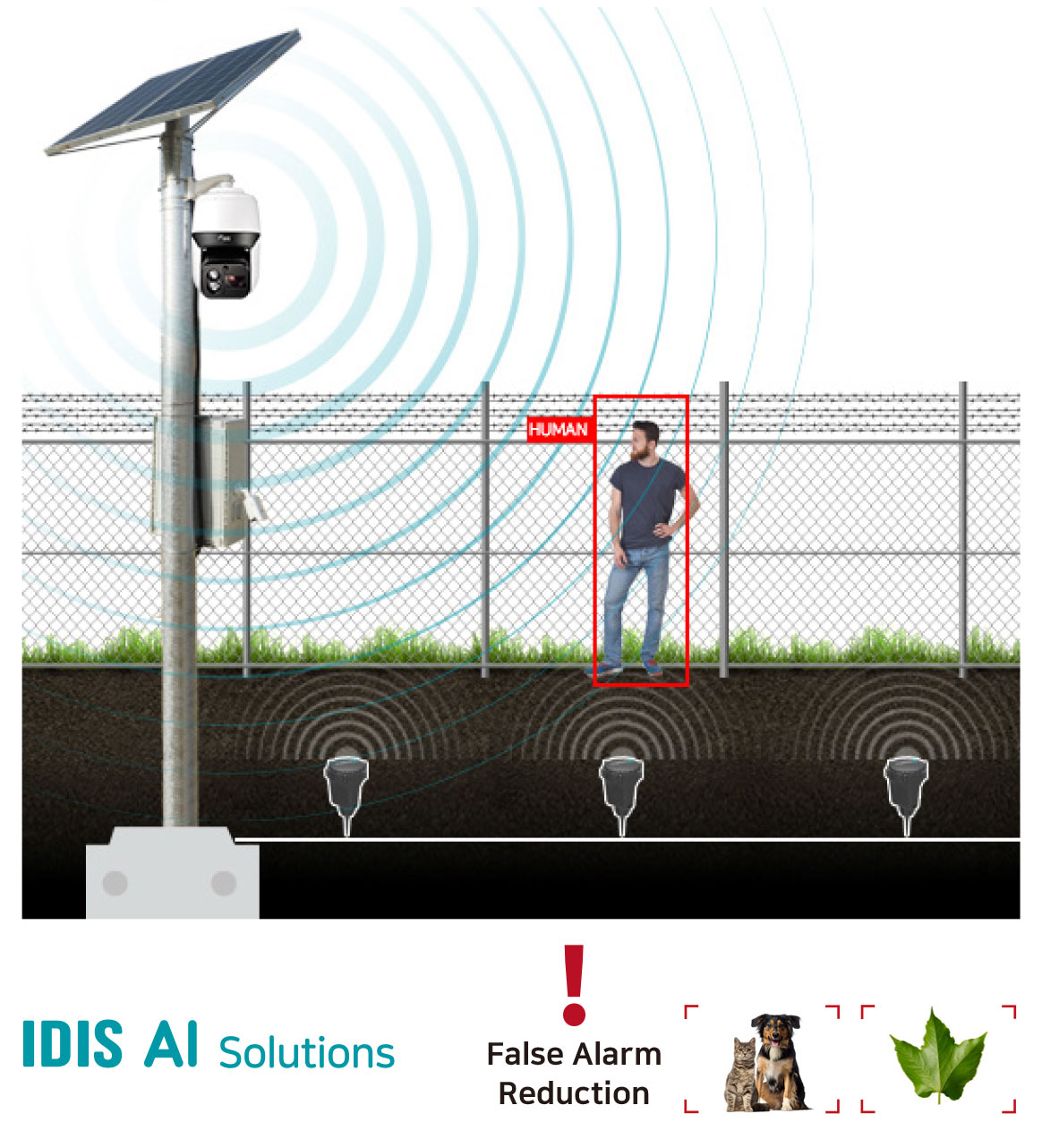
The buried AIO XR seismic sensors act as an invisible early warning system, capable of detecting even the slightest disturbance above and below the ground, whether it's footsteps, vehicle movement, or digging, well before an intruder is close enough for a camera to see.
Eyes in the sky
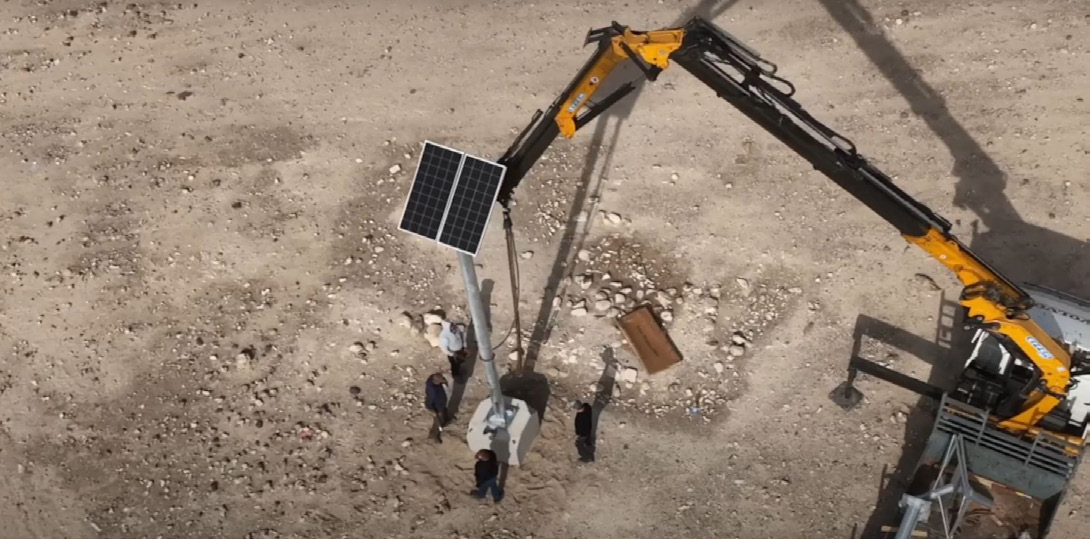
Each pole holds an IDIS AI PTZ camera with 36x zoom and night vision up to 1,300ft, plus a bullet camera to protect the pole itself, powered by solar energy with 4G-LTE cellular connectivity. Both cameras run IDIS Deep Learning Analytics (IDLA) on the edge.
How it works
When a seismic sensor detects a potential intrusion, the nearest camera automatically rotates to focus on that exact location. IDIS Deep Learning Analytics then verify the threat, distinguishing between harmless wildlife, foliage, and a genuine human intruder before an alert ever reaches a security team.
Innovative features that make a difference
The integration of these technologies creates several powerful advantages:
- Instant responseWhen the seismic sensors detect movement, cameras respond in less than a second to provide immediate visual verification.
- Environmental harmonySolar-powered equipment and wireless sensors mean no trenching or power lines that could damage the site. The system protects history while preserving it.
- Smart analyticsIDIS Deep Learning Analytics help reduce false alarms, ensuring that only genuine threats reach security teams.
- Complete coverageThe strategic placement of sensors and cameras ensures no part of the several-square-kilometer site goes unmonitored.
This is a general Seismic Shield Pro product demo, not footage from this specific site (no video of this deployment exists in the published case study).
Real-world impact
This security solution transforms an ancient site's protection into a modern-day success story. The system provides:
- 24/7 monitoring, regardless of weather or lighting conditions
- Non-invasive protection, security without compromising the site's integrity
- Rapid response capability, immediate alert and verification
- Sustainable operation, solar power ensures continuous operation with minimal maintenance
"After collaborating with IDIS, we're delighted to have developed a proven integrated security solution that reduces false alarms to ensure quick response to threats, utilizes green-energy, and provides complete surveillance coverage, to effectively safeguard heritage and archeological sites that preserve past civilizations, their practices, and their contributions to society."
Looking to the future
This installation demonstrates how modern technology can help preserve our past for future generations. The system's scalable nature means it can be expanded or modified as needs change, ensuring long-term protection of this invaluable cultural heritage site. See also SensoGuard's other IDIS integration coverage for more on how the two systems work together.
Frequently Asked Questions
How does buried seismic detection avoid damaging an archaeological site?
The sensors used at this site are wireless, so there's no trenching or cabling run across the ground to disturb it. Combined with solar-powered cameras, the entire installation avoids the power lines and excavation that a wired system would require.
How does the system tell the difference between wildlife and a real intruder?
When a seismic sensor detects movement, the nearest PTZ camera automatically rotates to the location and its built-in AI analytics verify what triggered the alert, distinguishing harmless wildlife from genuine intrusion before it reaches a security team as an actionable alert.
Can this kind of system cover a very large site?
Yes. This deployment covers several square kilometers by dividing the site into six zones, each with its own sensors and a dedicated AI-powered PTZ camera, a structure that scales by adding zones rather than redesigning the whole system.
Which SensoGuard and IDIS products are used at this site?
Each zone runs up to 30 SensoGuard AIO XR wireless seismic sensors paired with one IDIS AI PTZ camera (36x zoom, night vision to 1,300ft) running IDIS Deep Learning Analytics, all documented in the joint case study published by IDIS.