
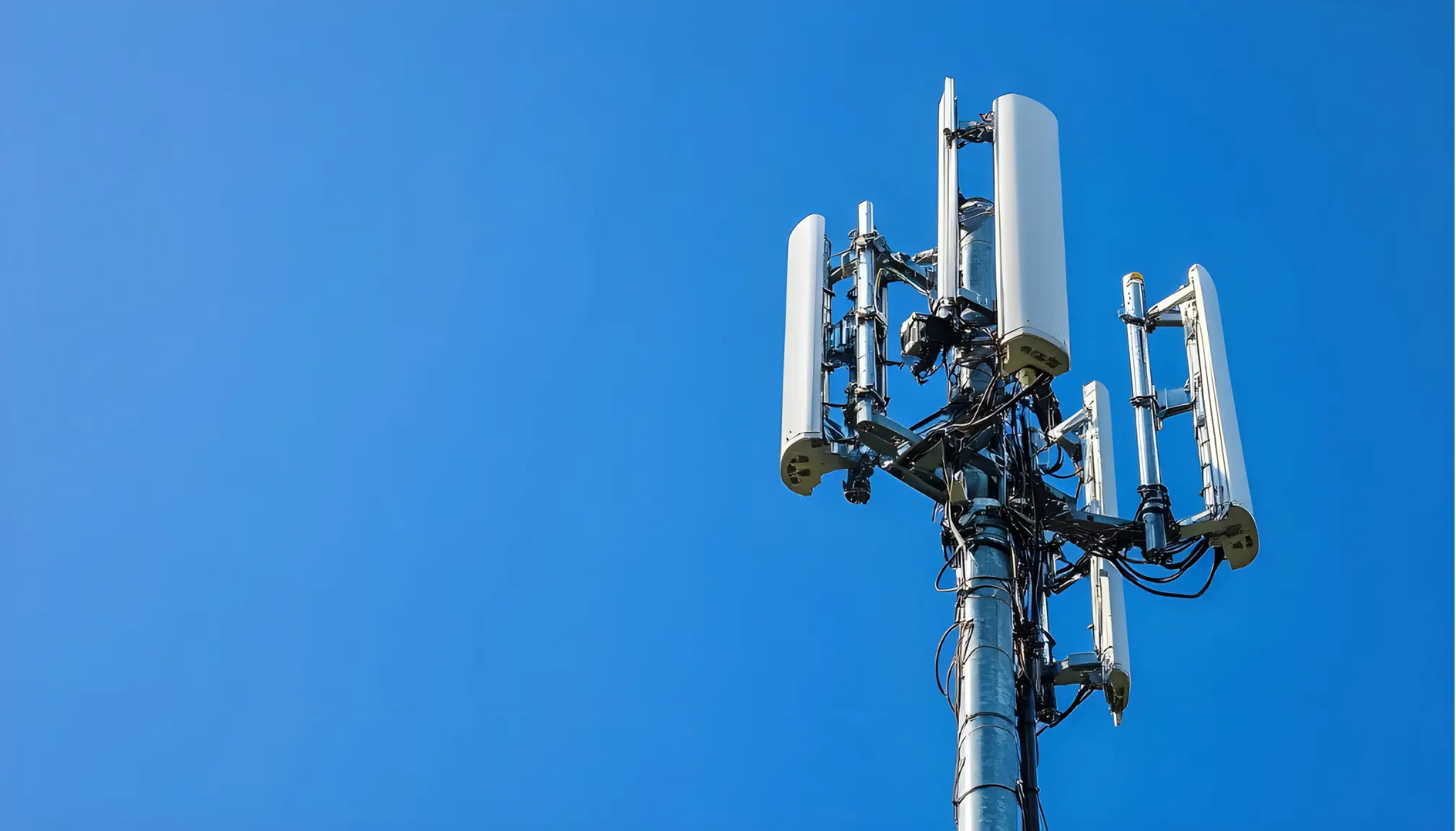
Why Traditional Security Systems Fail in Remote Locations
Remote infrastructure plays a critical role in modern economies. From solar farms and telecom towers to pipelines and construction sites, these facilities support essential services and industries, yet they often share a common challenge: they're located far from urban environments and lack basic infrastructure such as power and internet connectivity. For security managers, this creates a serious dilemma, since traditional surveillance systems rely heavily on electricity, wired networks, and permanent installations, and without those elements, deploying effective security becomes extremely difficult.
As remote infrastructure continues to expand across industries, organizations are increasingly searching for security solutions that can operate independently of power grids and network infrastructure. This article explores why traditional security systems struggle in remote environments and how modern autonomous surveillance solutions such as CovertEye 4G provide a practical way to secure remote infrastructure.
Key Takeaways: Autonomous cameras like CovertEye 4G run on battery and solar power and communicate over 4G cellular, so no trenching, power lines, or network infrastructure are needed. Paired with AI verification platforms like OutWatch, they cut false alarms by up to 95%.
The Growing Security Risk for Remote Infrastructure
Remote sites are often highly valuable yet minimally protected, since their location makes them difficult to monitor and slow to respond to incidents. Common examples include:
- Solar farms
- Telecommunications towers
- Oil and gas pipelines
- Construction sites
- Remote warehouses
- Agricultural facilities
- Water and energy utilities
Despite their importance, many of these facilities operate with limited physical security, making them attractive targets for equipment theft, copper cable theft, vandalism, illegal dumping, trespassing, and sabotage. In many cases these crimes happen because intruders know that remote locations lack continuous monitoring and immediate response capabilities, so protecting these assets requires security systems that can operate effectively even where traditional infrastructure doesn't exist.
Why Traditional CCTV Systems Struggle in Remote Locations
Conventional surveillance systems were originally designed for buildings, offices, and urban environments where infrastructure is readily available, and remote locations introduce challenges those systems were never built to handle.
Power Dependency
Most surveillance cameras require continuous electrical power, and in remote areas, providing it reliably usually means power generators, long-distance cabling, or expensive infrastructure projects, all of which significantly increase installation costs and complexity. Without stable power, traditional CCTV systems simply can't operate continuously.
Network Infrastructure Requirements
Traditional surveillance systems also depend on reliable communication networks, typically wired Ethernet connections, local networks, internet connectivity, and a dedicated control room. Remote infrastructure sites often lack these capabilities entirely, and even where connectivity exists, it can be unreliable or limited, so without a communication network, surveillance systems can't transmit alerts or footage in real time.
Complex Installation
Deploying traditional security infrastructure in remote locations often requires significant effort: trenching for cables, installing poles and mounting structures, building network infrastructure, and running long-distance power lines. These steps increase project costs and extend deployment timelines, and for temporary or rapidly changing environments, construction sites among them, this level of installation is often impractical.
High Maintenance Costs
Maintaining traditional security systems in remote areas is also challenging: technicians often need to travel long distances to perform maintenance, repairs, or upgrades, and environmental conditions like extreme temperatures, dust, humidity, and wildlife interference add to the burden. These factors combine to make traditional surveillance expensive and difficult to maintain in remote locations.
The Rise of Autonomous Security Systems
To address these challenges, the security industry is increasingly turning toward autonomous surveillance systems. Unlike traditional CCTV, these solutions are designed to operate independently of fixed infrastructure, typically combining battery-powered operation, solar charging, cellular communication, and wireless deployment so they can run in off-grid environments without extensive supporting infrastructure.
How Autonomous 4G Cameras Protect Remote Infrastructure
Autonomous surveillance cameras combine several technologies to enable reliable security monitoring in remote locations. One example is CovertEye 4G, an autonomous tactical camera built specifically to overcome the challenges of remote infrastructure security in locations where traditional infrastructure is unavailable.
Autonomous Power Operation
One of the most critical features of autonomous surveillance cameras is the ability to operate without a permanent power source. Systems such as CovertEye 4G run on rechargeable batteries and optional solar panels, so they function continuously even in remote environments, and because no power lines or electrical infrastructure are required, installation becomes significantly simpler.
4G Cellular Connectivity
Another key challenge in remote security is communication. Autonomous surveillance systems solve this by using 4G LTE connectivity to transmit alerts and images in real time, communicating through cellular networks instead of relying on wired ones. This lets security teams receive alerts anywhere via mobile devices or monitoring platforms, so incidents can be addressed quickly even when the site itself is far from urban areas.
Intelligent Motion Detection
Autonomous cameras typically include built-in motion detection: CovertEye 4G, for example, uses PIR sensors combined with vibration detection to identify potential intrusions. When movement is detected, the system captures images and transmits them immediately to the monitoring platform, so security teams are alerted only when relevant activity occurs.
AI Alarm Verification
One of the biggest challenges in remote surveillance is managing false alarms, since environmental factors such as animals, vegetation, or weather conditions can trigger motion sensors unnecessarily. AI-based alarm verification platforms such as OutWatch solve this by analyzing incoming alerts with AI vision models and filtering detections to identify real threats, humans, vehicles, trucks, and animals, cutting false alarms by up to 95% so only verified threats reach security personnel.
Real-World Applications for Autonomous Security Cameras
Autonomous surveillance systems are increasingly used across a wide range of industries, since their flexibility and independence from infrastructure make them suitable for many remote security scenarios.
Construction Sites
Construction sites are frequent targets for theft and vandalism, since heavy equipment, tools, and materials are valuable and often left unattended overnight. Because construction projects are temporary, installing permanent security infrastructure is rarely practical, so autonomous cameras that can be deployed quickly and relocated as the project progresses are a better fit.
Solar Farms
Solar farms often cover large areas in remote locations and contain valuable equipment, including solar panels and copper wiring, that make them attractive targets for theft. Autonomous surveillance systems can monitor these large outdoor areas and provide real-time alerts if suspicious activity occurs.
Remote Industrial Facilities
Facilities such as telecom towers, water utilities, and pipelines often operate far from populated areas, and autonomous surveillance systems let operators monitor these assets without requiring permanent security infrastructure.
Wildlife and Environmental Monitoring
Autonomous cameras are also used for environmental monitoring and wildlife observation. Because they operate independently and require minimal infrastructure, they can be deployed in protected or remote environments where traditional surveillance would be impractical.
The Future of Remote Infrastructure Security
As infrastructure expands into more remote areas, traditional security systems are becoming increasingly difficult to deploy effectively, and organizations are shifting toward flexible, autonomous security technologies that can adapt to changing environments. Key trends shaping the future of remote security include:
- Autonomous surveillance systems
- AI-powered threat detection
- Mobile monitoring platforms
- Rapid deployment security solutions
These technologies enable organizations to protect critical assets even in locations where conventional security infrastructure is unavailable.
Conclusion
Securing remote infrastructure presents unique challenges: sites often lack power, internet connectivity, and permanent security infrastructure, making traditional surveillance difficult to deploy. Autonomous security solutions provide a practical alternative, combining battery-powered operation, 4G connectivity, intelligent motion detection, and AI alarm verification so systems like CovertEye 4G can deliver reliable security monitoring in remote environments.
For organizations responsible for protecting critical infrastructure, adopting autonomous surveillance can significantly improve security while reducing installation complexity and operational costs. As demand for remote infrastructure keeps growing, autonomous security systems are quickly becoming an essential part of modern site protection strategy.
Frequently Asked Questions
Can security cameras work without internet or power?
Yes. Autonomous surveillance cameras like CovertEye 4G run on rechargeable batteries with optional solar charging and communicate over 4G LTE cellular networks instead of wired internet, so no power lines or network infrastructure are needed.
What industries benefit most from autonomous security cameras?
Industries that operate in remote environments benefit most, including construction, solar energy, telecommunications, agriculture, and utilities, wherever running power and network infrastructure to the site would be costly or impractical.
How do autonomous cameras reduce false alarms?
AI-based verification platforms such as OutWatch analyze each detection event with AI vision models, filtering out animals, vegetation, and weather-triggered signals so only genuine threats are reported, cutting false alarms by up to 95%.
Are autonomous security cameras difficult to install?
No. Because they don't require wired power or network infrastructure, autonomous cameras like CovertEye 4G can typically be installed and relocated quickly with minimal setup.