
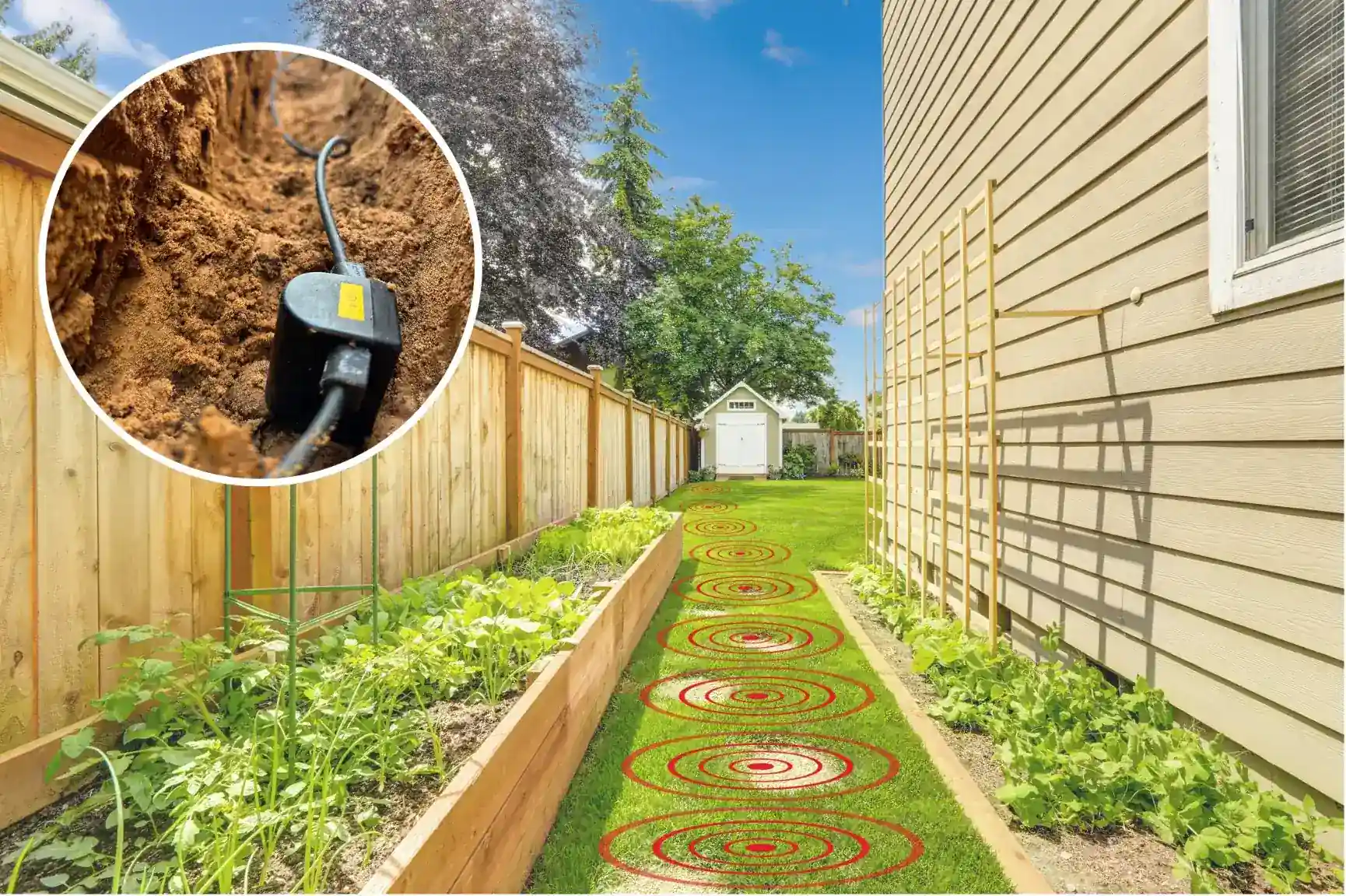
Underground seismic sensors protect a property from beneath the surface, offering a level of concealment that above-ground cameras and fencing can't match. Here are five facts about how they work, backed by real specs, not marketing claims. For the full picture of how the technology detects intruders, see What Are Seismic Sensors? How They Detect Intruders.
Key Takeaways
- Burial depth is flexible: 30cm to 3m, with no performance penalty.
- Rated IP68 and MIL-STD-810G, operating from -40°C to 85°C.
- Camera verification cuts false alarms by over 90% vs. camera-only systems.
- Detects footsteps up to 12m and vehicles or digging up to 25m, 360°.
1. The Stealth Advantage
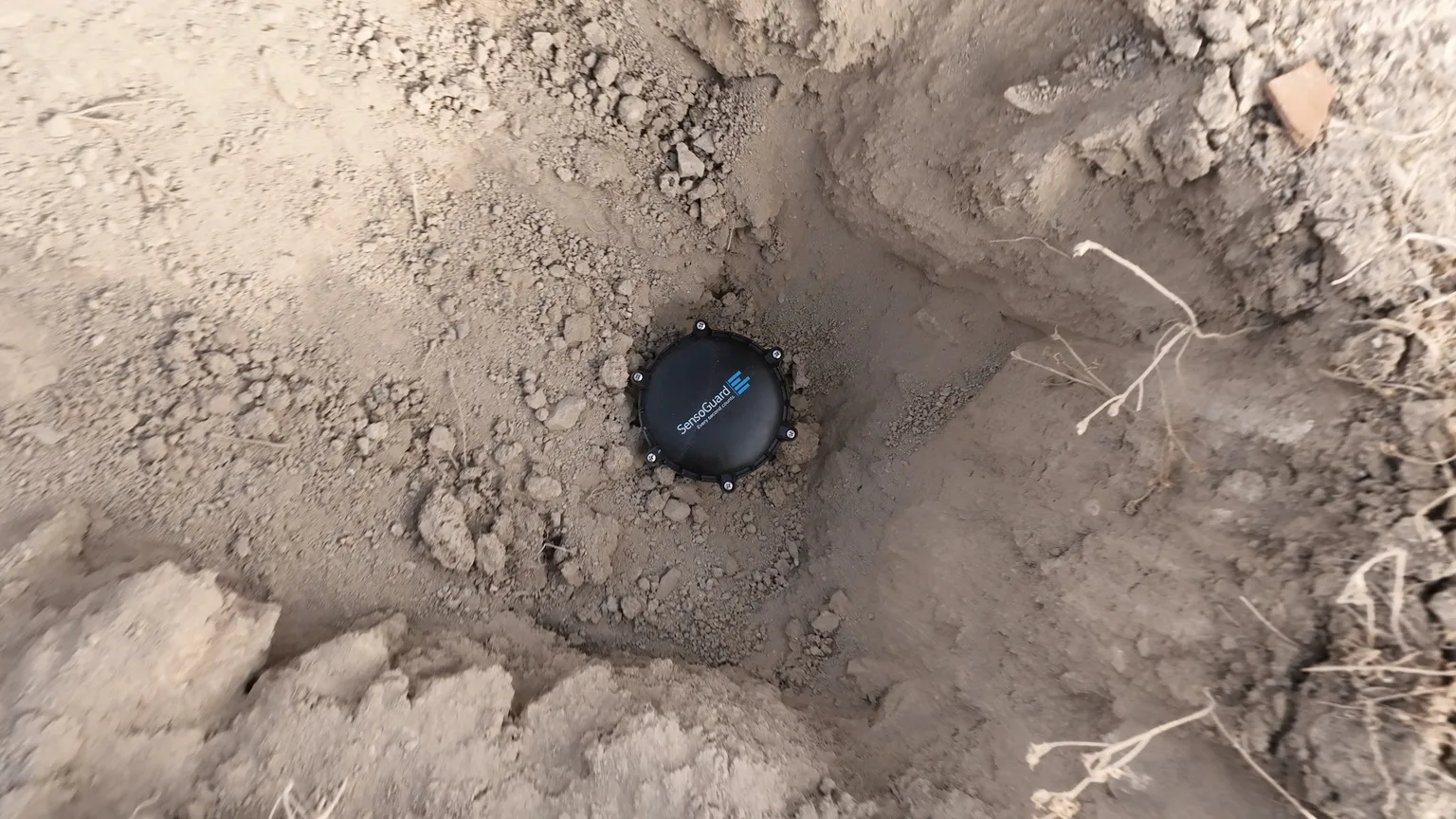
Underground seismic sensors operate beneath the surface, making them virtually invisible to potential intruders. Installation depth is flexible, typically 30cm to 3m, without a performance penalty, so the system disappears into the landscape rather than dictating it. Other manufacturers in the buried-sensor space market the same advantage. Concealment is what makes underground sensors harder to locate and defeat than above-ground alternatives, since there's no visible hardware to find.
2. All-Weather Reliability
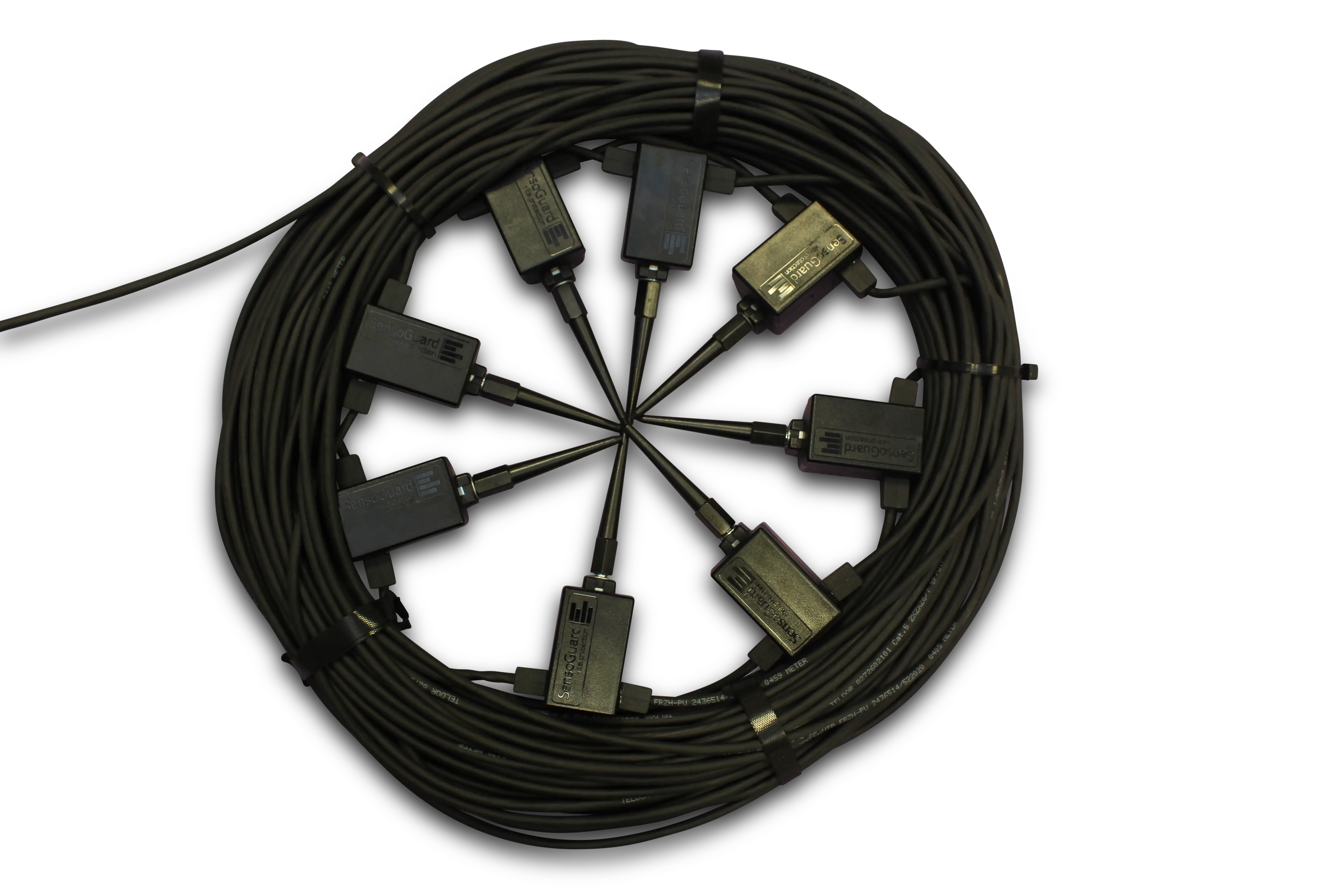
Unlike many above-ground security systems, SensoGuard seismic sensors are unaffected by harsh weather conditions. Sensors are IP68-rated and built to MIL-STD-810G, operating across a -40°C to 85°C range. Their subterranean placement shields them from rain, snow, or extreme temperatures that might compromise above-ground alternatives.
3. Improved Accuracy
One of the most significant benefits of underground seismic sensor systems is their ability to differentiate between genuine threats and harmless disturbances. Paired with camera-based verification, two-layer seismic detection cuts false alarms by over 90% compared to camera-only systems.
4. Early Detection Capabilities
Underground seismic sensors can detect intruders before they reach critical areas of a property, providing valuable response time for security personnel or law enforcement. A wireless sensor detects footsteps up to 12m and vehicle or digging activity up to 25m, in a full 360° radius. That's well before an intruder reaches the building itself.
5. Versatile Integration
These systems can be designed to work alongside existing security measures, creating a multi-layered defense for comprehensive protection. They connect to a home alarm panel through dry contact outputs, or to a commercial VMS/PSIM platform for coordinated response.
For residential security, a buried seismic system extends detection outward from the home, giving families earlier warning than window and door contacts alone. For perimeter protection around critical infrastructure, the same underlying technology scales to cover long fence lines and open terrain without adding visible hardware.
Frequently Asked Questions
How deep are underground seismic sensors buried?
Installation depth is flexible, typically 30cm to 3m, without a performance penalty. That flexibility is one reason seismic sensors are easier to install correctly than fiber optic or leaky coax alternatives, which require burial depth accurate to within about 20-23cm to perform reliably.
How much do underground seismic sensors reduce false alarms?
Paired with camera-based verification, two-layer seismic detection reduces false alarms by over 90% compared to camera-only systems, since the seismic layer only triggers verification for events that actually match an intrusion signature rather than every motion in a camera's field of view.
What's the detection range of a single underground sensor?
A wireless AIO X sensor detects footsteps across a 50 m² area and vehicle or digging activity up to 25m, in a 360-degree radius. A continuous buried sensor cable extends that same detection range along the full perimeter as a virtual fence rather than individual points.