
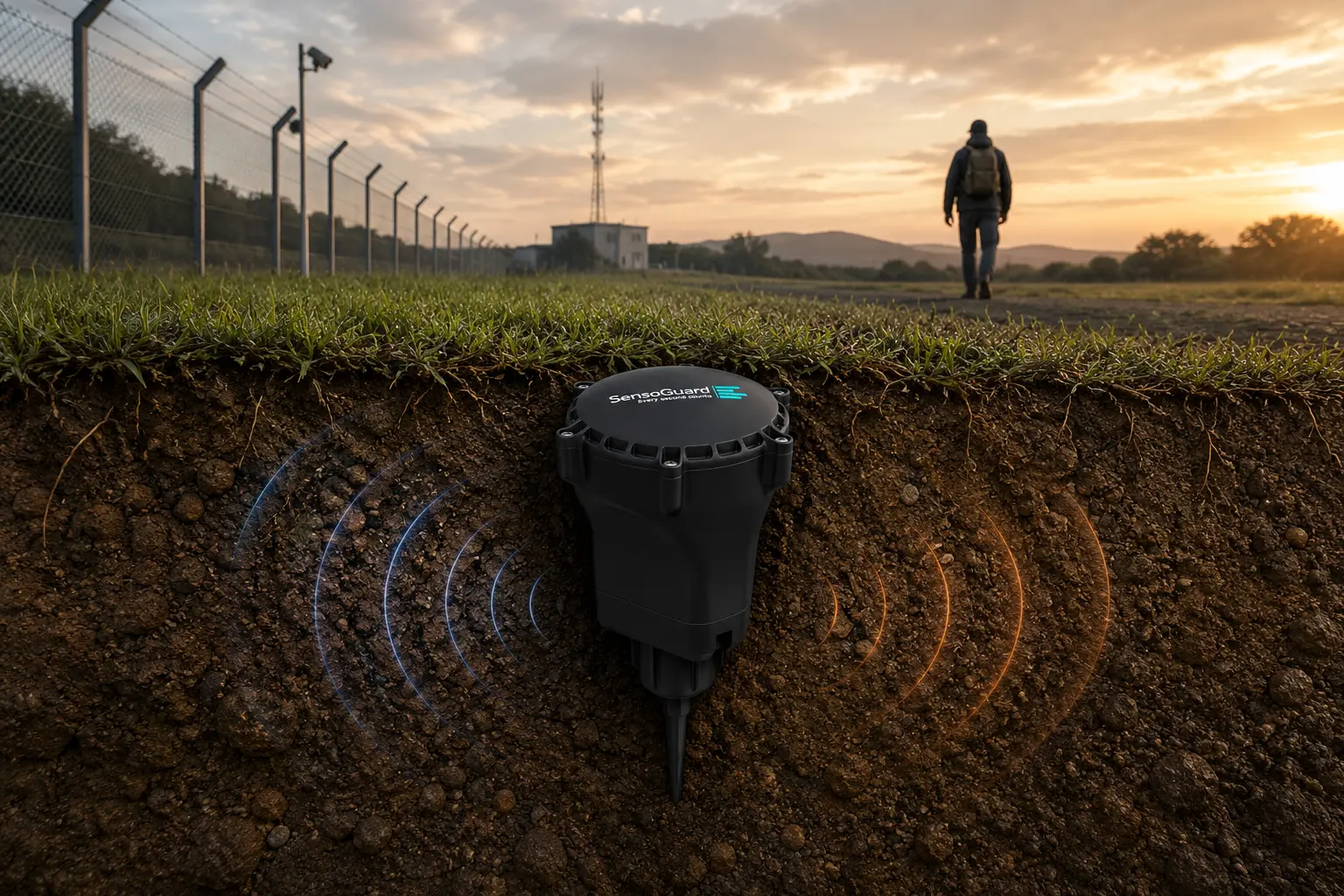
A seismic sensor detects ground vibration. In perimeter security, that simple ability does something cameras and fences can't. It catches an intruder walking, driving, or digging toward a protected site, before they ever reach it. No clear line of sight is needed, and no visible boundary to mount hardware on.
This guide covers what seismic sensors actually detect, how they tell a real threat from a passing animal, and where they fit compared to other perimeter technologies. For the broader category these sensors belong to, see our guide to Perimeter Intrusion Detection Systems (PIDS).
SensoGuard has built this technology since 2012. The engineering behind it draws on more than two decades of seismic sensor development originally created for Israeli defense applications, now deployed across 20+ countries in both military and commercial settings.
Key Takeaways
- Seismic sensors detect footsteps, vehicles, and digging by reading ground vibration, up to 35m away with wireless sensors.
- They classify what they detect instead of just registering movement, which is what keeps false alarms low.
- Wired sensor cable and wireless sensors solve different deployment problems, not different threats.
- Pairing seismic detection with camera verification cuts false alarms by over 90% compared to camera-only systems.
- Unlike fences or cameras, seismic sensors work without a clear line of sight or an existing boundary to mount hardware on.
How Do Seismic Sensors Work?
A seismic sensor sits buried underground, typically 30 to 50cm deep. It continuously monitors the vibration passing through the soil around it. A footstep, a vehicle rolling past, a shovel striking dirt: each disturbs the ground differently, and the sensor picks up the resulting pattern. The core sensing element is a geophone, originally built for seismic surveying and adapted here to convert ground motion directly into an electrical signal.
The sensor doesn't just detect that something happened, it classifies what happened. Onboard signal processing analyzes the vibration's shape, rhythm, and intensity. That determines whether it matches a person walking, a vehicle moving, or digging activity. The sensor reports that classification rather than raw vibration data. This isn't new science. A 2006 SPIE study on seismic detection for perimeter security documented the seismic signatures of human walking using field data. It used that data to build detection algorithms that are still the foundation of how systems classify footsteps today. Adaptive algorithms also learn a site's background noise over time. That filters out wind, small animals, and other nuisance sources that would otherwise trigger false alarms.
What Can Seismic Sensors Detect?
The three activities seismic sensors are built to classify are footsteps, vehicle movement, and digging, each with a different detection range depending on the sensor type:
| Activity | Wired Sensor Cable | Wireless AIO XR |
|---|---|---|
| Footsteps | Up to 12m (39ft) | Up to 18m (60ft) |
| Vehicle | Up to 25m (82ft) | Up to 35m (115ft) |
| Digging | Up to 25m (82ft) | Up to 35m (115ft) |
Digging detection is what makes seismic sensors effective against threats that go around or under a visible perimeter entirely. Tunneling under a border, or excavating over a buried pipeline, is invisible to cameras, fences, and radar by design.
Wired vs. Wireless Seismic Sensors
Seismic sensors come in two deployment forms, chosen by what the site allows rather than by cost alone.
Wired Sensor Cable
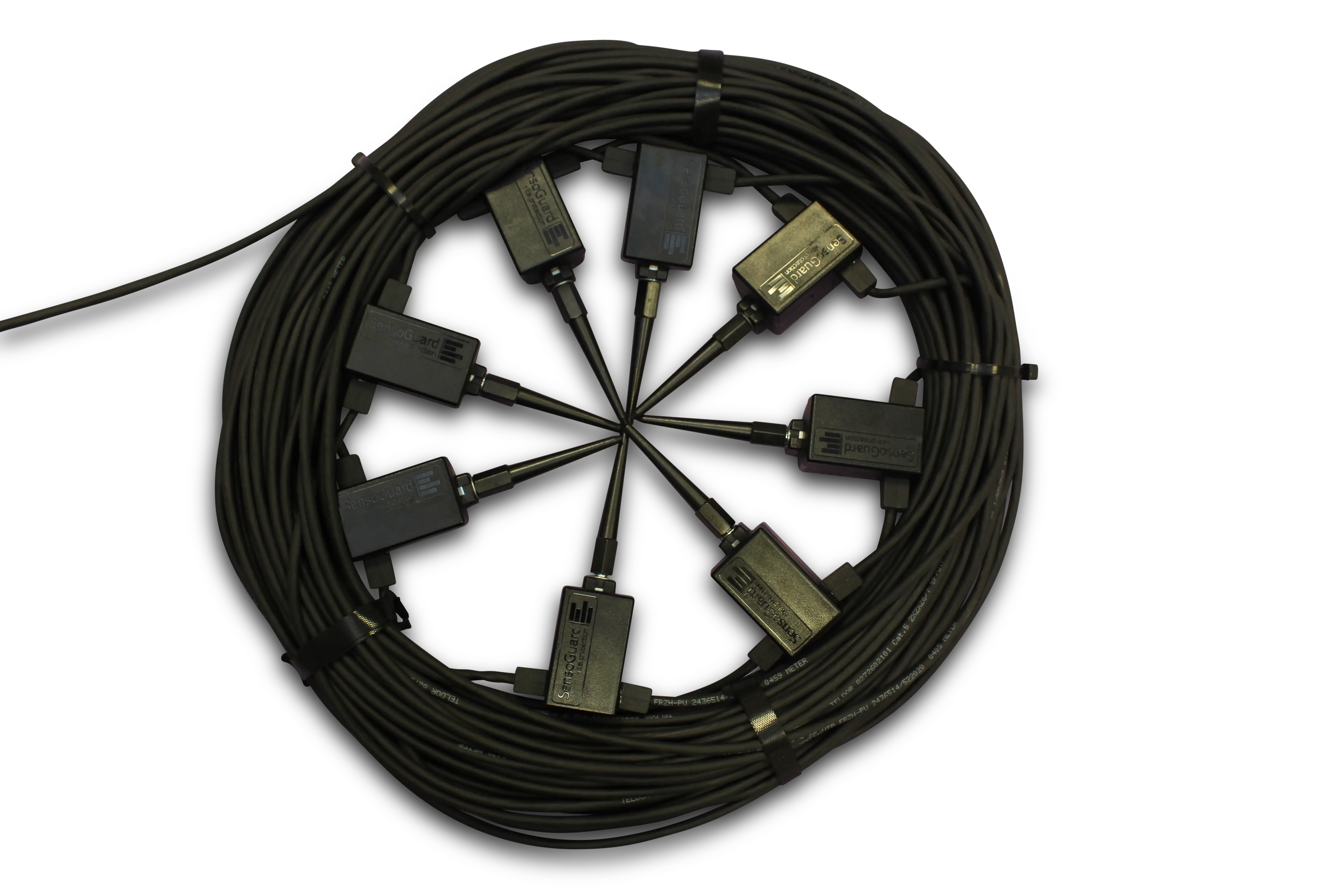
A continuous buried cable delivers unbroken coverage along a known boundary, reporting digitally to a central hub. This is the choice for a fixed perimeter, a home's boundary, a facility fence line, or a border segment, where the ground can be opened for installation.
Wireless Sensors
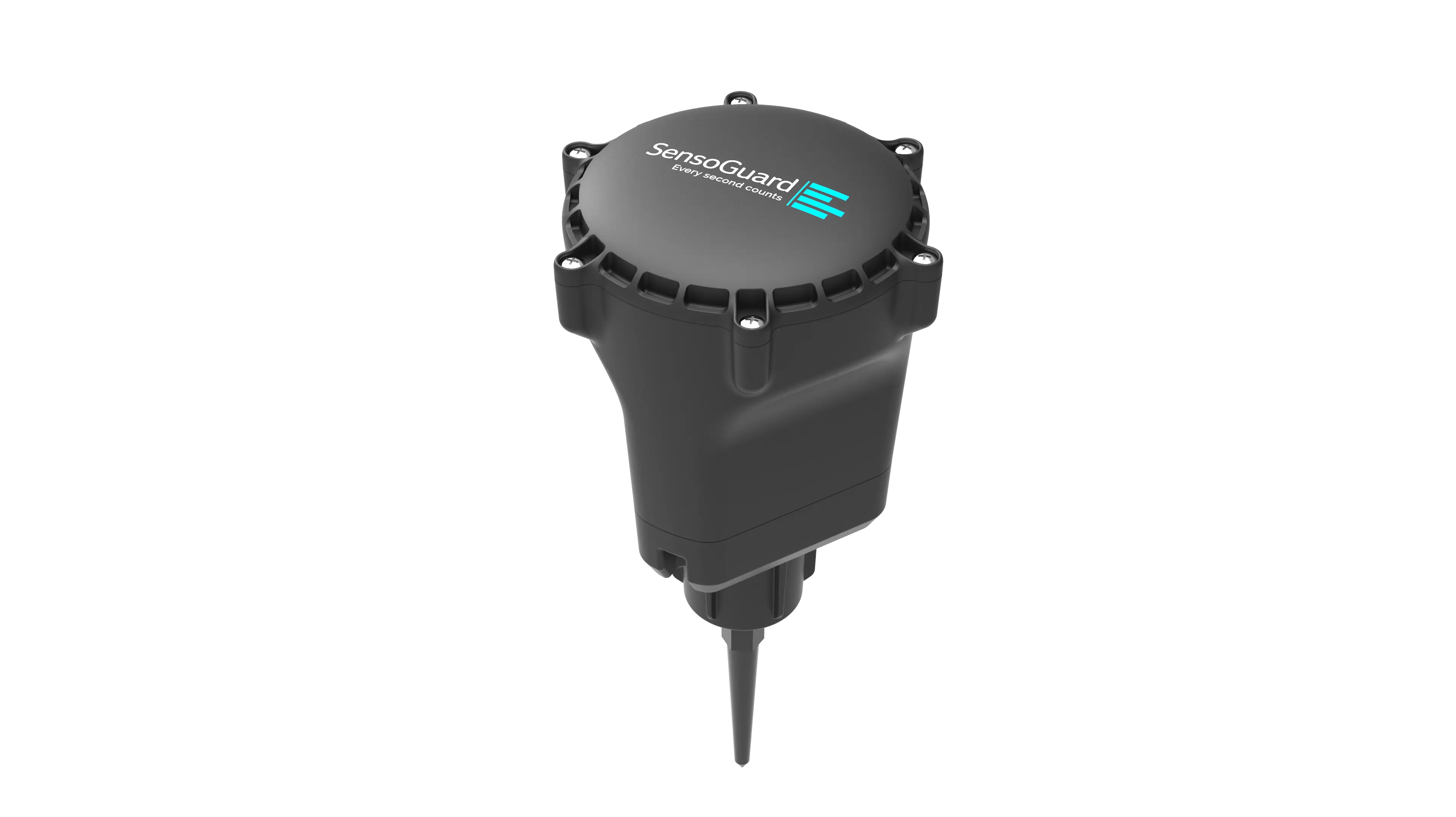
Standalone battery-powered sensors install without trenching, at individual chokepoints, access routes, or sites where a continuous cable isn't practical. SensoGuard's AIO XR sensor runs up to 6 years on a field-replaceable battery and communicates over a LoRa wireless network.
How Do Seismic Sensors Compare to Cameras, Fences, and Radar?
Seismic sensors aren't a replacement for cameras, they're a different layer that solves a different problem. Camera-based systems and radar require a clear line of sight. A threat that approaches through terrain that breaks that line, or attempts to tunnel underneath, goes undetected until it's already inside the perimeter. Fence-mounted sensors only protect the fence itself, so an intruder who digs under it or approaches without touching it isn't detected either.
Because seismic sensors are buried, they're invisible to intruders scouting a site, difficult to sabotage, and unaffected by rain, fog, wind, or darkness. Pairing them with a verification layer, such as a PTZ camera automatically cued to the sensor's detection point, combines invisible early detection with visual confirmation. That's the two-layer approach behind Seismic Shield Pro. For a full side-by-side breakdown, see our comprehensive comparison of perimeter security systems.
How Reliable Are Seismic Sensors?
The biggest practical risk with any perimeter sensor isn't missing a real threat. It's generating so many false alarms that operators start ignoring the system. Above-ground technologies are especially prone to this. Wind-driven fence vibration, wildlife, and weather all look like a threat to a system that can't tell the difference.
Seismic sensors classify what they detect (footstep, vehicle, or digging) rather than just registering that something moved. They also adapt to each site's background noise over time. That combination is what cuts down on nuisance alarms, and it's still an active area of research. A 2025 study in Discover Geoscience found that AI-based classification methods can reach high accuracy with short inference time and low hardware requirements, keeping the approach practical for real-time perimeter security use. Pairing seismic detection with camera verification reduces false alarms by over 90% compared to camera-only systems. An alert only escalates once the classified event is visually confirmed.
Installation: What to Expect
Both sensor types bury at the same depth, typically 30 to 50cm. The installation process differs by type, though. A wired sensor cable requires a narrow trench dug along the planned detection line. Once the cable is buried, the trench is backfilled and the surface restored, so lawns and landscaping aren't left disturbed. Wireless sensors need no trenching at all. Each unit is buried individually at its chosen point, which is why they're the faster option for sites where a continuous cable isn't practical.
Where Are Seismic Sensors Used?
The same underlying technology scales from a single home to a multi-kilometer border, with the sensor type and layout adapted to the site:

Residential Properties
Buried sensors protect a home's perimeter without visible hardware — the approach behind Seismic Shield.

Critical Infrastructure & Commercial Sites
InvisiFence Plus provides the buried sensor cable at the core of larger-scale deployments.
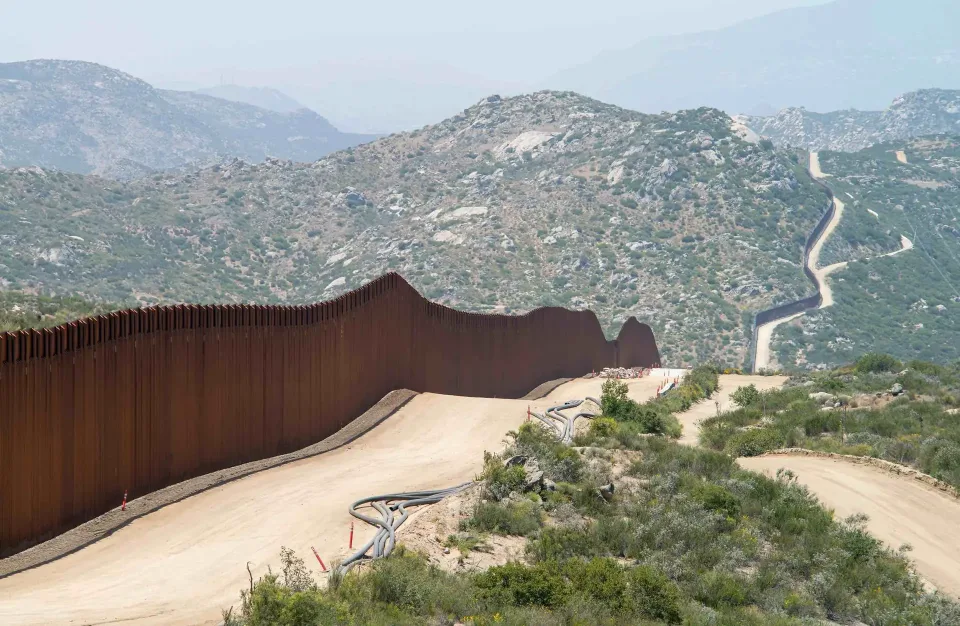
Borders
Continuous sensor cable along the boundary combined with wireless sensors at chokepoints.
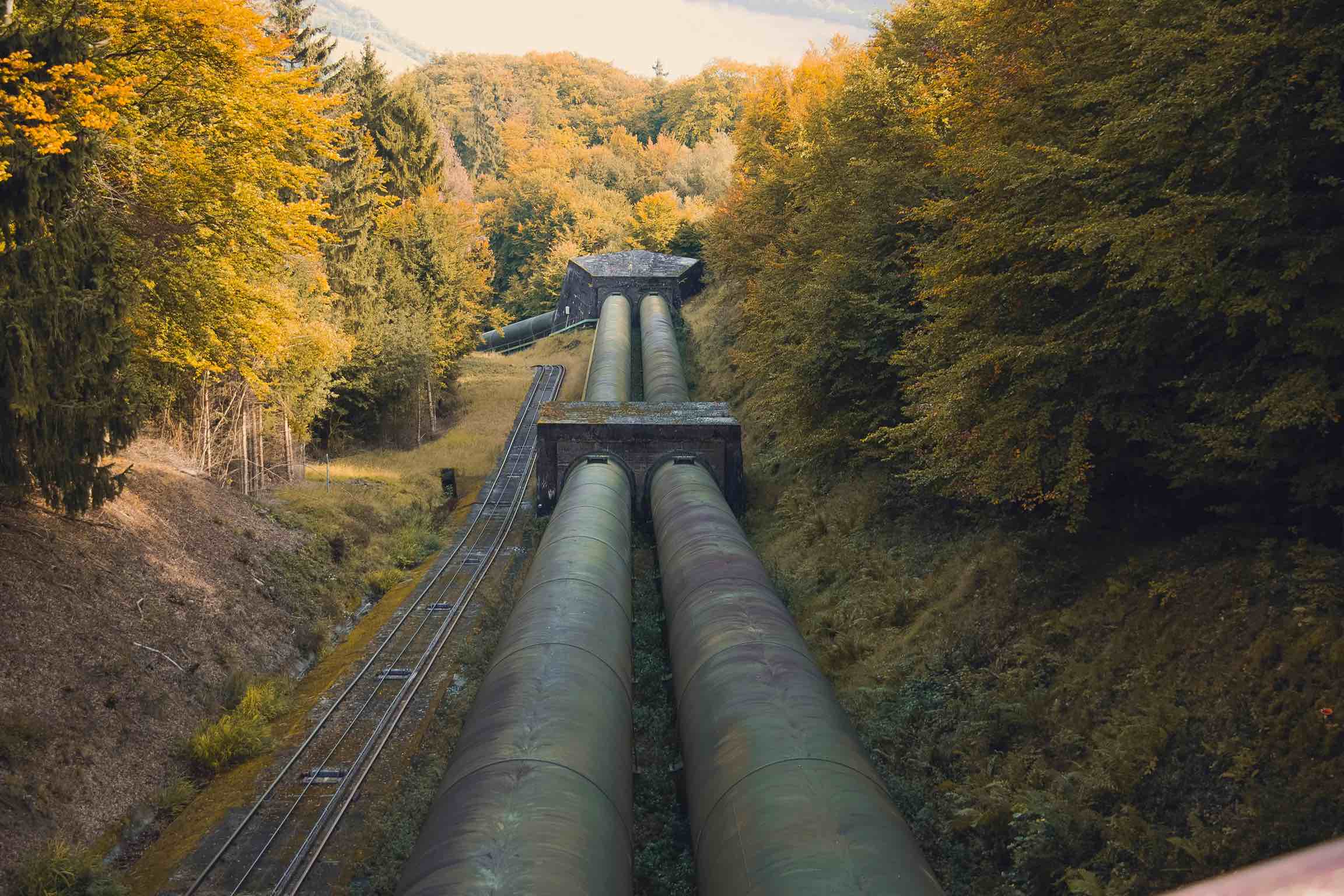
Pipelines
Independent, section-based sensor deployments detect digging and third-party interference along a route.
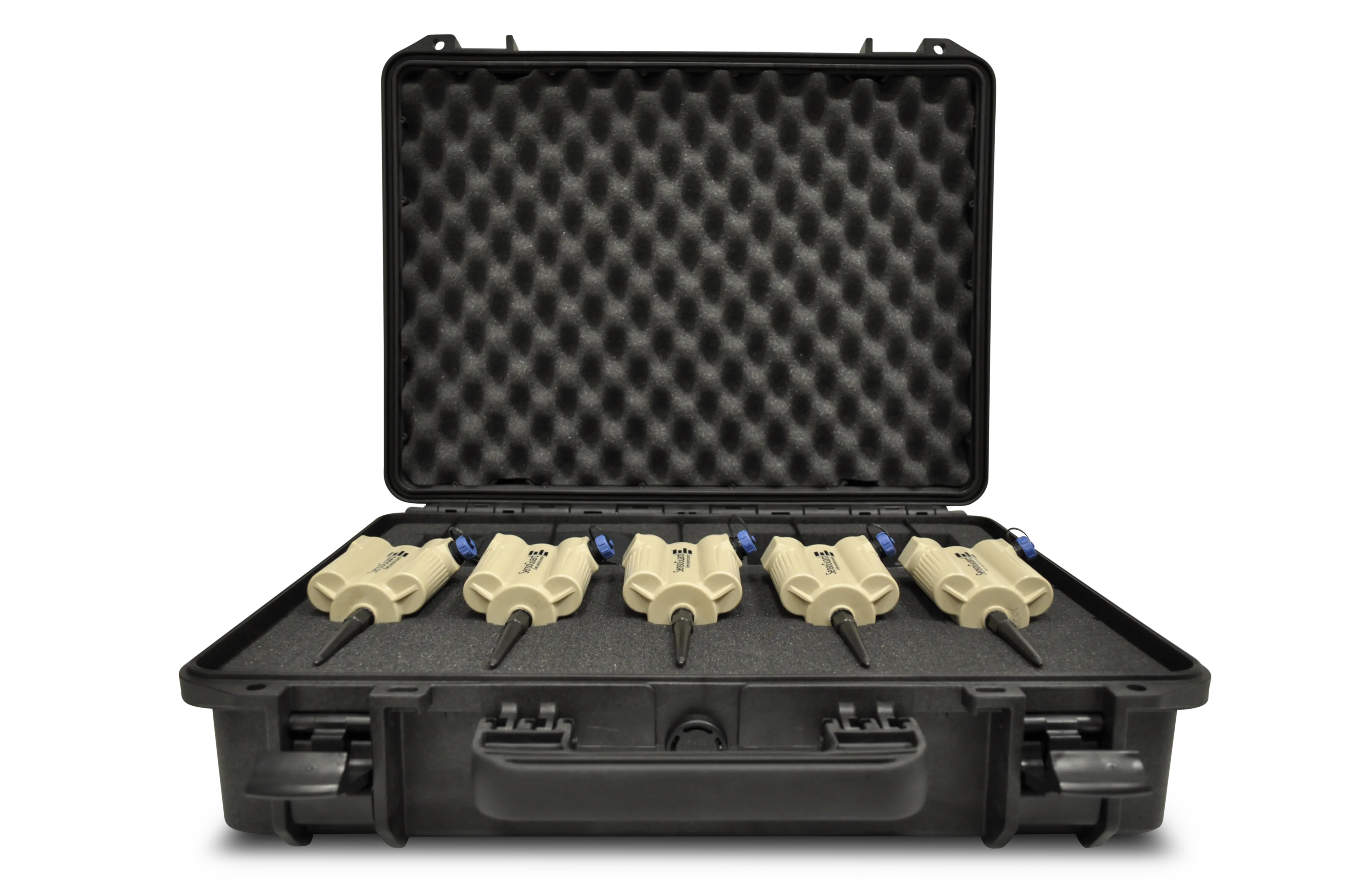
Tactical & Temporary Deployments
MOSS uses the same wireless sensor technology in a rapid-deployment kit for field operations.
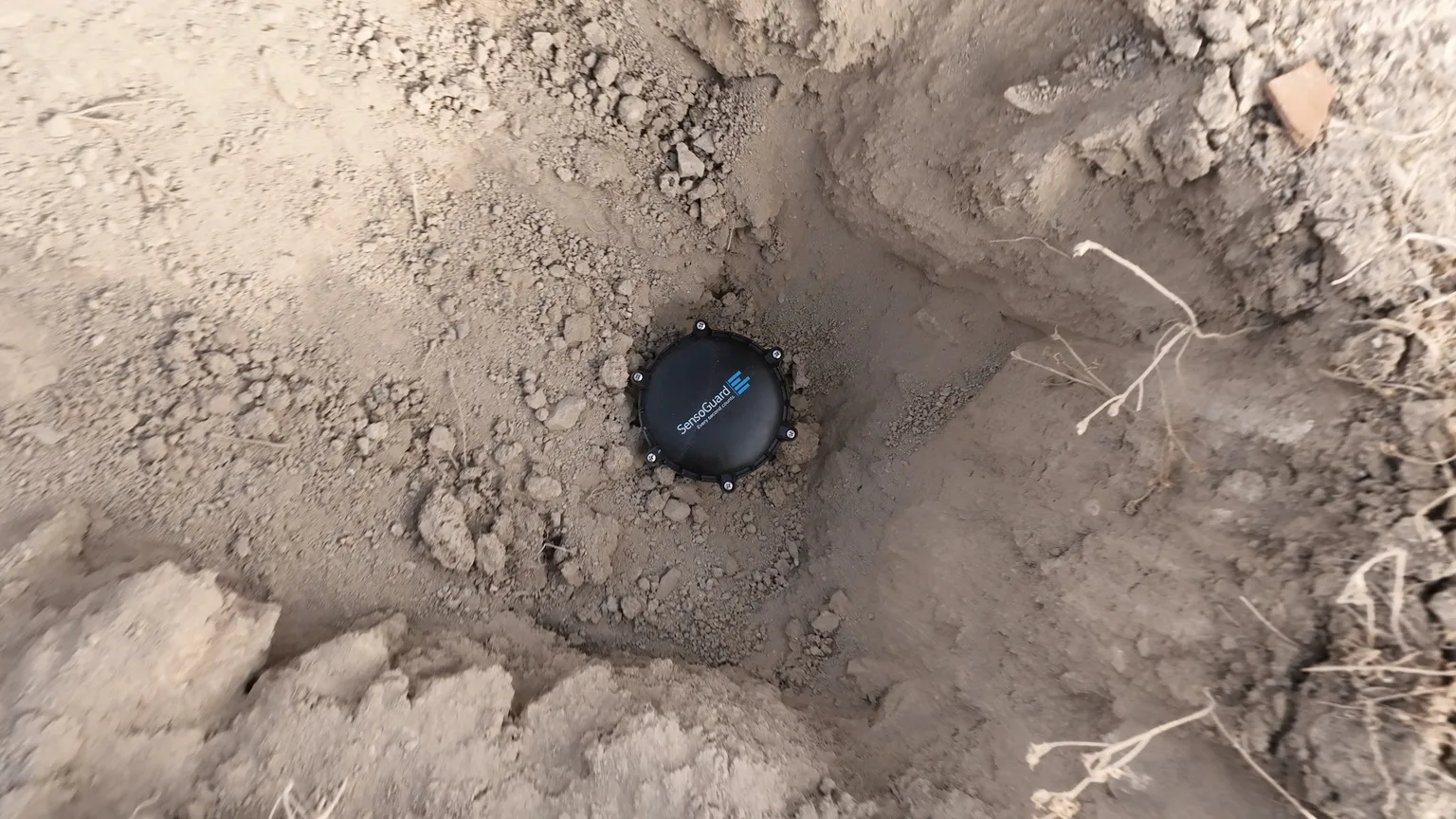
Wireless Sensor Hardware
See the full UGS sensors and receivers lineup.
Frequently Asked Questions
What is a seismic sensor?
A seismic sensor is a device that detects ground vibration. In perimeter security, buried seismic sensors pick up the vibration signatures of footsteps, vehicles, and digging to detect intruders before they reach a protected area.
How far can a seismic sensor detect movement?
It depends on the sensor and the activity. SensoGuard's wired sensor cable detects footsteps up to 12m away, and vehicles or digging up to 25m away. The wireless AIO XR sensor covers more ground: 250 m² for footsteps and 2,500 m² for vehicles or digging.
Can seismic sensors tell the difference between a person and an animal?
Yes. Each sensor classifies the vibration it detects, footsteps, vehicle movement, or digging, using onboard signal processing, and adaptive algorithms filter out smaller animals and background noise to reduce false alarms.
Are seismic sensors better than cameras for perimeter security?
They serve different roles. Seismic sensors detect intrusion attempts without needing a clear line of sight and are invisible to intruders, while cameras provide visual verification. Combining both, detection underground and verification above ground, reduces false alarms compared to either technology alone.
Do seismic sensors need a fence to work?
No. Unlike fence-mounted sensors, buried seismic sensors create their own virtual detection line and don't require an existing fence. That makes them suitable for open borders, pipeline routes, and other sites with no physical boundary to mount hardware on.
Do seismic sensors cause a lot of false alarms?
No, when paired with camera verification. Because each sensor classifies what it detects and adapts to a site's background noise, pairing seismic detection with camera verification reduces false alarms by over 90% compared to camera-only systems.